
Uluwatu Temple: Everything to Know Before Visiting

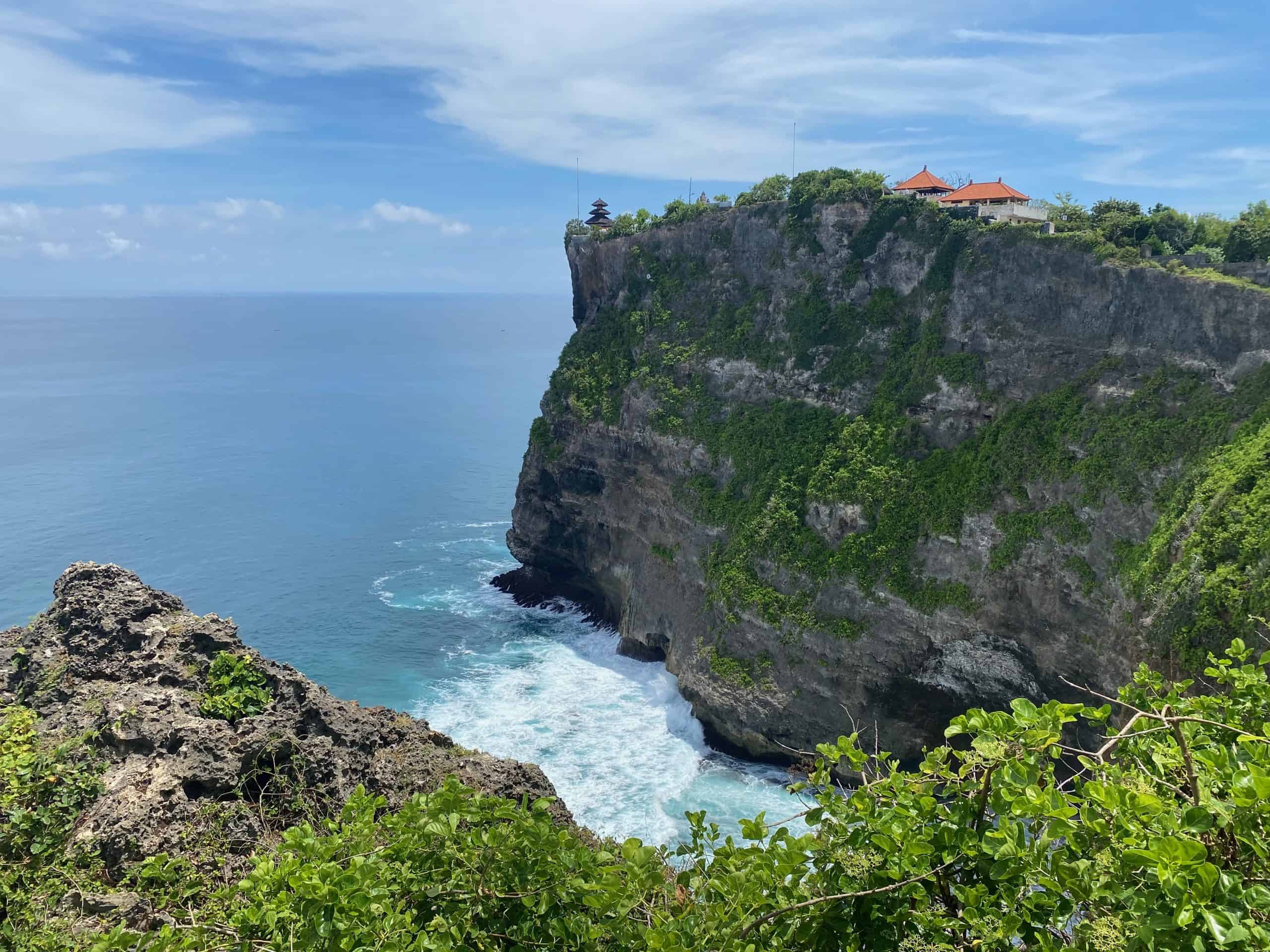
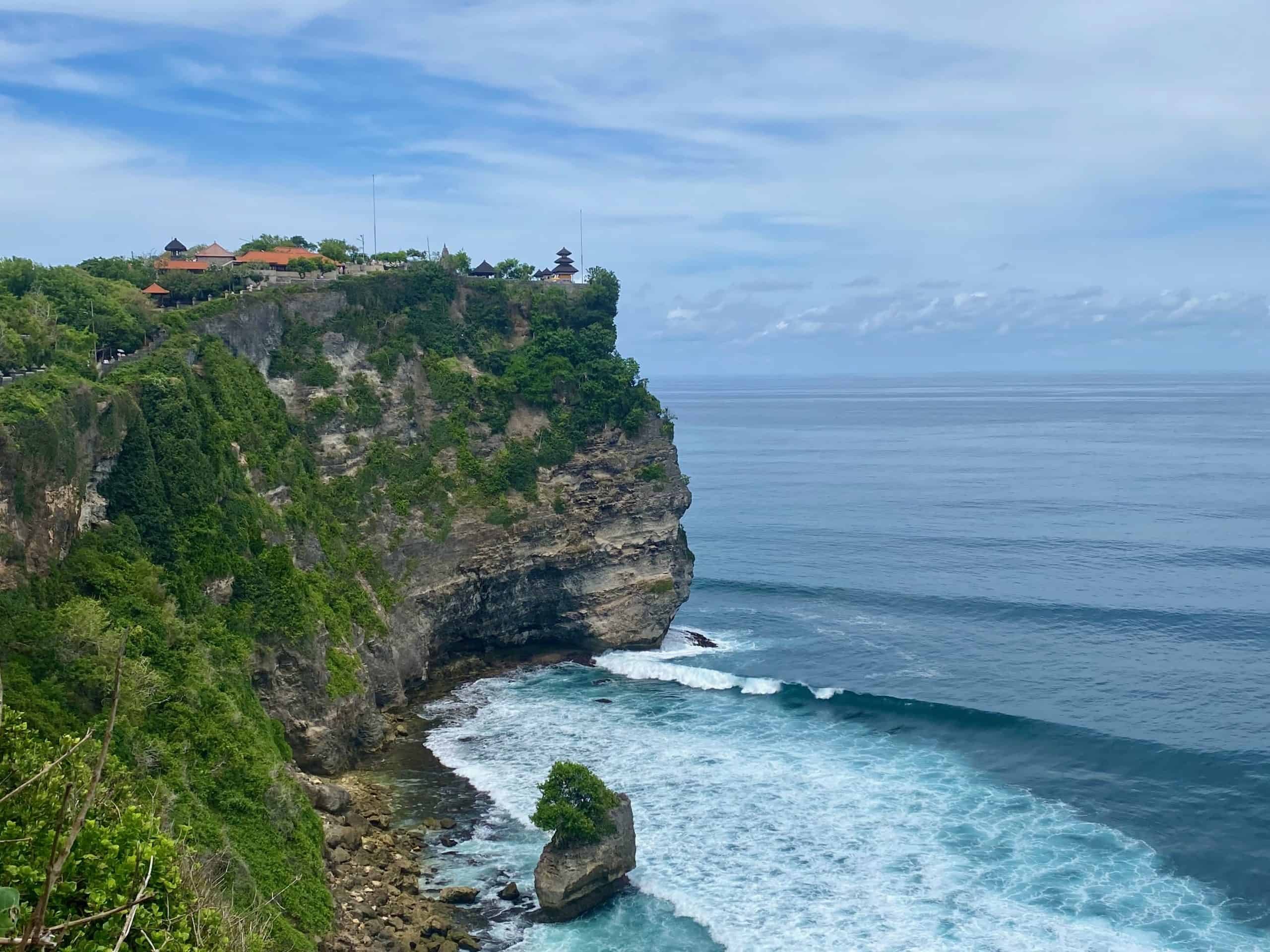
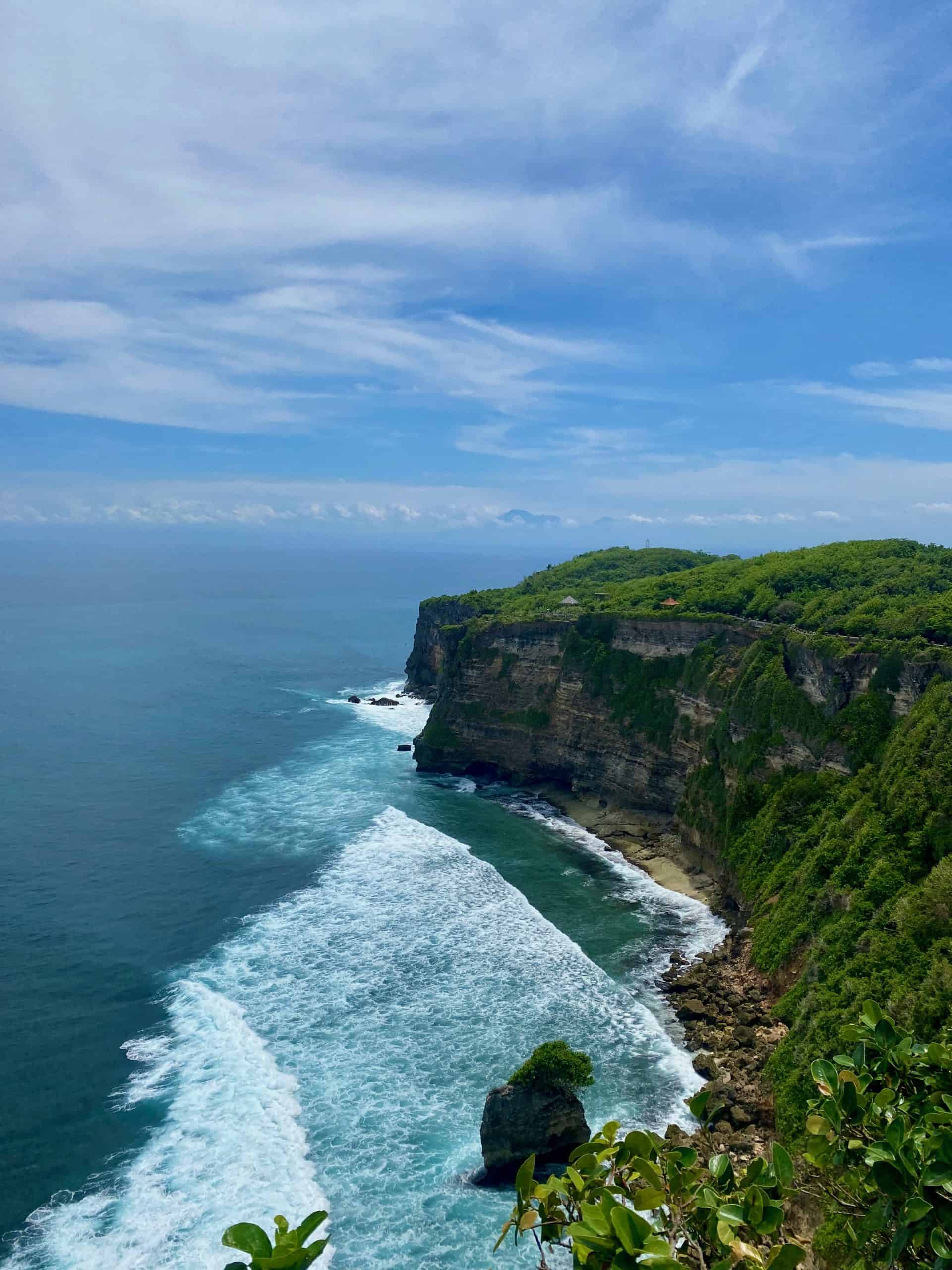
Uluwatu Temple’s official name is Pura Luhur Uluwatu. It is built on a cliff above the open sea, roughly 50 to 70 meters above the water. Its setting makes it one of the most striking temples in Bali. The name itself translates to ‘the temple above the stone at the end.’
It is one of Bali’s Sad Kahyangan, the six directional temples considered the most important on the island.
This was the first temple I visited during my time in Bali and amongst the most memorable. The guide below covers practical tips for visiting, along with a brief history and details on the Kecak Fire Dance, celebrated at the temple every evening at sunset.
Uluwatu Temple History & Legend
The detailed history of Uluwatu Temple isn’t well known, but two Siwaist (Shivaist) priests, Empu Kuturan (also known as Empu Rajakerta) and Danghyang Nirartha (also known as Pedanda Sakti Wawu Rauh and Dwijendra), are credited with developing it.
Both priests were Siwaist, meaning they considered Shiva the supreme god rather than Brahman as in traditional Hinduism, and both were deeply influenced by Buddha. You will find that Balinese Hinduism is beautifully tinted with elements from Buddhism, and many people on the island even describe the religion as a mix of Hinduism and Buddhism.
The legends surrounding the arrival of these two priests are quite folkloric.
Kuturan is said to have arrived in the 10th century riding a deer all the way from Java, while Nirartha crossed the water on a keluwih tree leaf in the 16th century.
A temple already existed when Kuturan arrived, but he is credited with adding a few shrines and, more importantly, building the meru, which sits at the end of the temple. A pagoda-like structure with thatched roofs stacked one over the other, always in odd numbers.
Nirartha was said to have magical powers and built many temples across Bali. He’s credited with adding the padmasana, the empty stone chair found in most Balinese temples, and it’s believed that Uluwatu’s own padmasana was added once he reached moksa (spiritual liberation).
The temple itself is dedicated to Rudra, who in modern Balinese Hinduism is considered a manifestation of Brahman. Rudra is associated with storms and plagues, and people make offerings to him to guard against disaster. He is, however, also linked to healing and medicine.
Getting to Uluwatu Temple
Uluwatu Temple, as its name suggests, is in Uluwatu, on the Bukit Peninsula at the southern tip of Bali.
Even if you are not choosing your base within the Bukit Peninsula, you can easily reach the temple from other bases on the island. Canggu is about 35 km northwest, about 1.5 hours from the temple. Denpasar, the capital, is about 30 km north, roughly 1 hour away, but traffic is often heavy, so it is best to allow 30 minutes to an hour extra when passing through Denpasar, depending on the time of day.
I was staying in Sanur, a coastal town about 35 km northeast of Uluwatu Temple, when I planned my visit. Sanur is about an hour’s drive from the temple early in the day, but can take longer than an hour around midday.
I arranged for a driver to pick me up from Sanur at 9 am, and we reached the temple around 10 am.
The best way to reach the temple is by car or with a tour group. While the temple isn’t necessarily remote, it can be quite hard to arrange pickup through ride-sharing apps like Grab or Gojek. This can be especially difficult if you plan to stay after sunset, and the stress after a wonderful experience isn’t worth it, so I highly recommend planning accordingly.
Uluwatu Temple Entry Fee & Hours
Uluwatu Temple is open from 7 am to 7 pm daily. The official website recommends starting your visit no later than 5 pm. This will give you enough time to visit without rushing. When I visited, I stayed at the temple a little over two hours.
You will find the ticket entrance at the start of your visit. The cost for international visitors is 60,000 IDR (about 4 USD/3 EURO) for adults and 40,000 IDR (about 2 USD/2EURO) for children.
Once you pay, the staff will also check that you’re dressed appropriately for a holy site before letting you enter (more on that below).
Tour guides also offer their services for an additional fee at the entrance. I hired one during my visit. I had done my research before visiting, so I didn’t learn anything new, but it can be helpful to have someone walk you through the grounds and share anecdotes about the temple’s history during your visit.
Uluwatu Temple Dress Code
Uluwatu Temple is a holy site, and staff will enforce the dress code before you enter.
Shoulders and legs must be covered. Additionally, Balinese custom requires that visitors wear a sash and sarong during their visit. This is common practice at most Balinese temples. Both the sash and the sarong rental are included with your entrance fee, so there is no need to get this ahead of your visit.
The temple sits on a steep cliff, so footwear choice matters for a comfortable visit. Wear sneakers or sandals with a good grip.
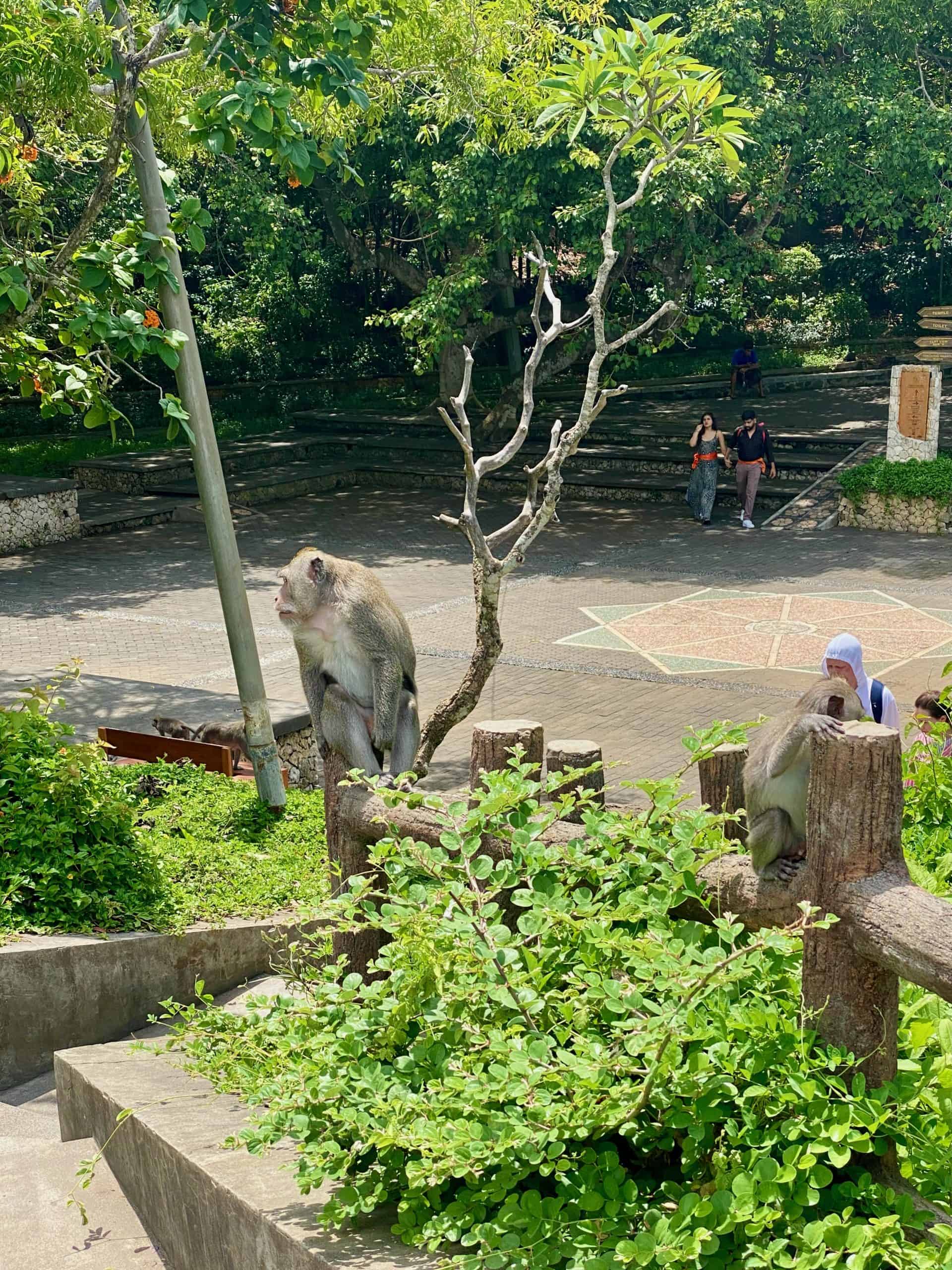
Another consideration is that monkeys have made the temple grounds their home, and they can be curious creatures, so it is best to keep external objects to a minimum. Essentially, limit accessories, large bags, and anything that can be tugged (more on that below).
Best Time to Visit Uluwatu Temple to Avoid Crowds
I chose to visit in the morning mainly because I wanted a slower, more peaceful experience on the temple grounds. The temple gets much more crowded as the day goes on, especially as it gets closer to sunset.
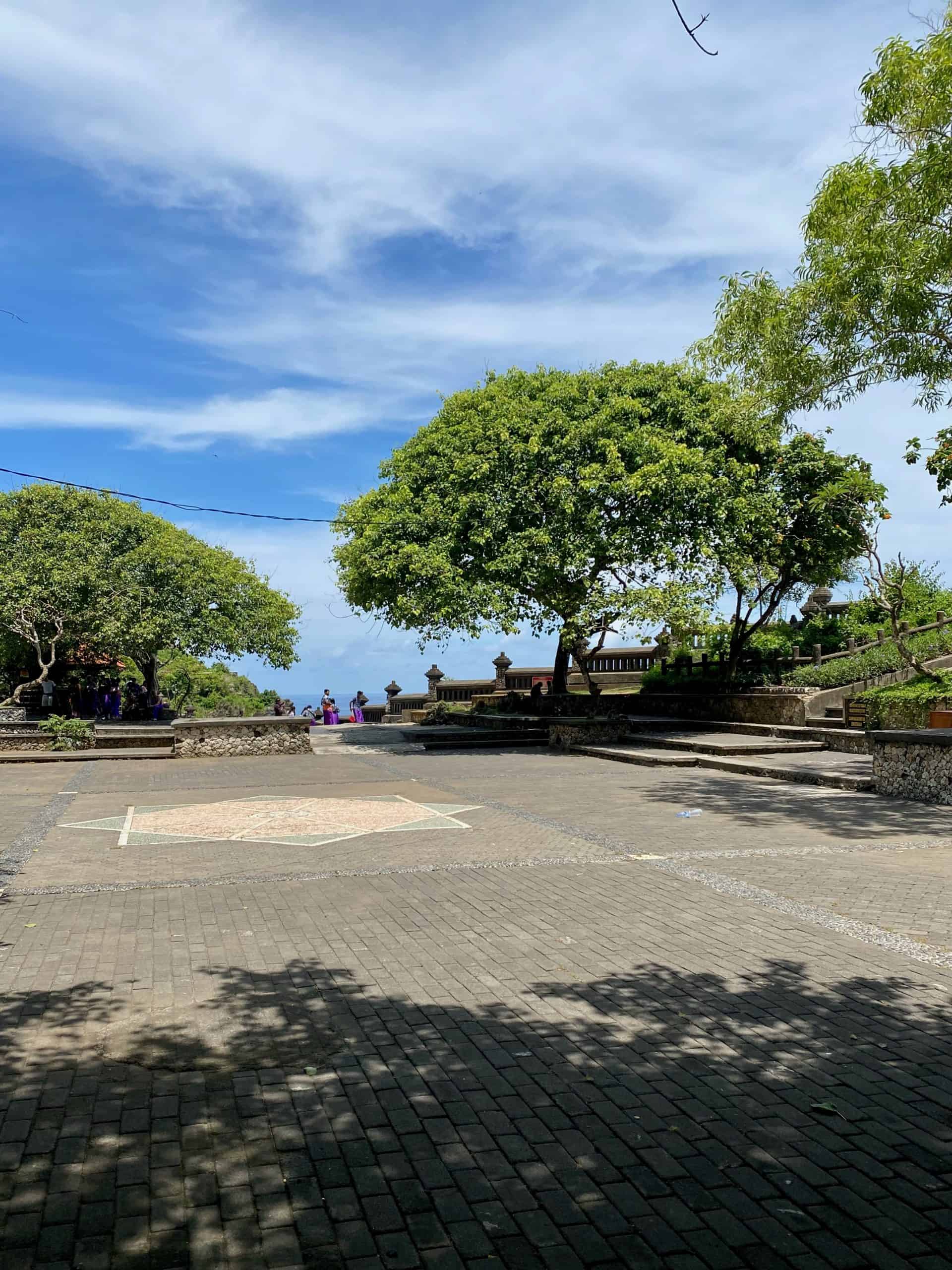
Going early does mean missing the sunset and the Kecak Fire Dance, both of which happen later in the day, so it really comes down to whether you’d rather have a peaceful visit to the grounds or stay for sunset.
The temple sits on a cliff overlooking the Indian Ocean, so the sunset might be one of the most memorable you experience!
Things to Do at Uluwatu Temple
Uluwatu Temple is built from white coral limestone just like many of the other temples in Bali. The intricacy of the architecture and the setting make this temple breathtaking.
Visit the Temple’s Famous Statues:
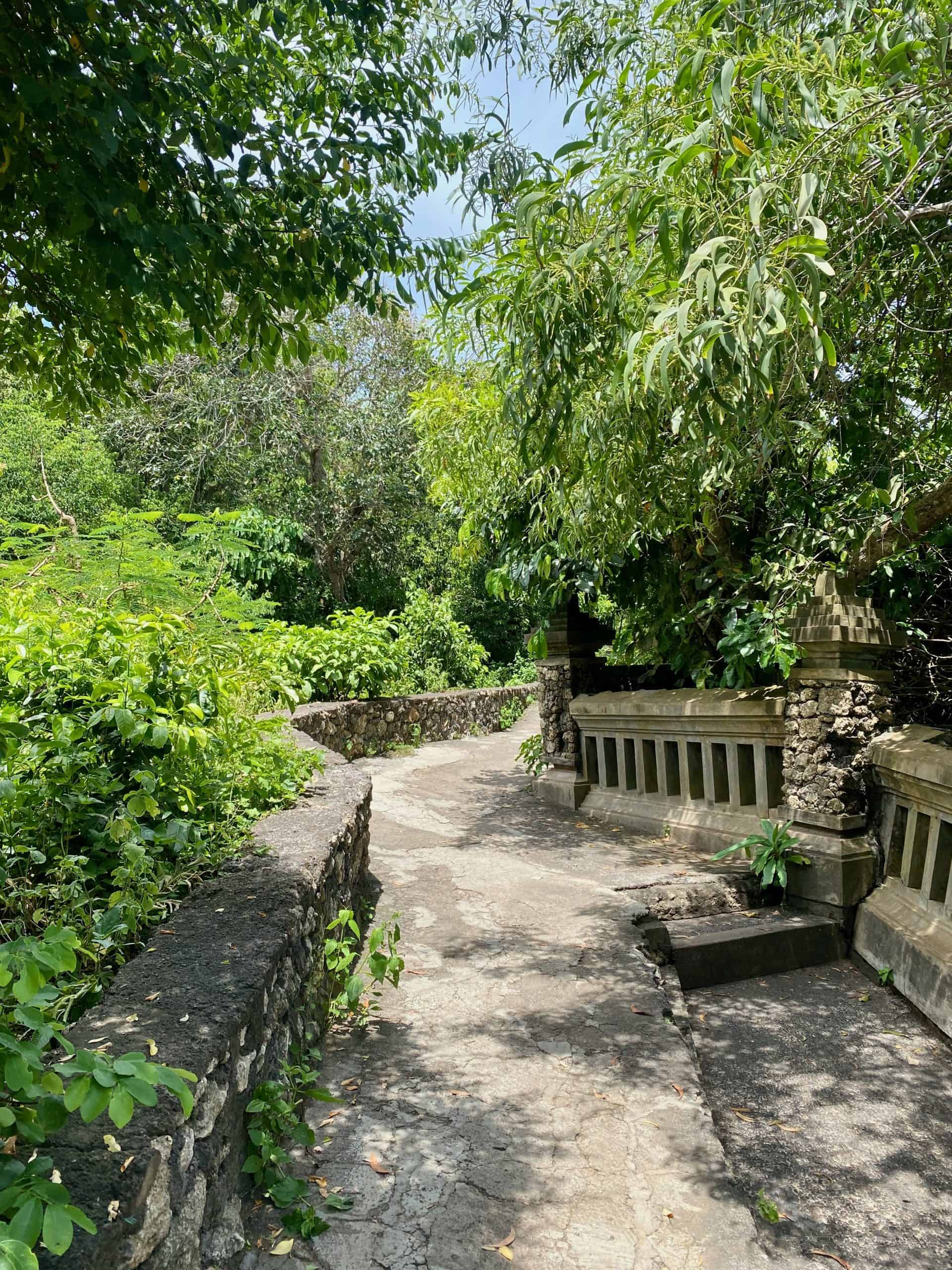
After the entrance, there’s a short walk to the temple that feels almost forest-like. This is where you’ll first come across the temple’s local residents, the sacred monkeys, and pass a couple of noteworthy statues before reaching the temple itself.
One statue depicts Kumba Karna Kerebut, the younger brother of Ravana from the Ramayana. Kumba Karna fought alongside his brother against Rama and Hanuman, but out of duty and devotion to Ravana rather than any malice toward Rama and his army, which is why he’s commemorated at the temple. The story is told each evening at the temple’s Kecak Fire Dance (see more below).
The other depicts Danghyang Nirartha, the Siwaist priest credited with developing Uluwatu Temple and said to have built its padmasana upon reaching moksa (spiritual liberation) at the temple.
Get a Glimpse of the Innermost Courtyard:
The temple is composed of three courtyards: the Jaba Sisi (outer courtyard) and the Jaba Tengah (middle courtyard) are accessible to visitors, while the Jeroan (innermost courtyard) is the temple’s most sacred space and is closed to visitors and reserved for those who come to pray.
That said, there is also a stairway past the cistern that visitors can climb for a glimpse of it.
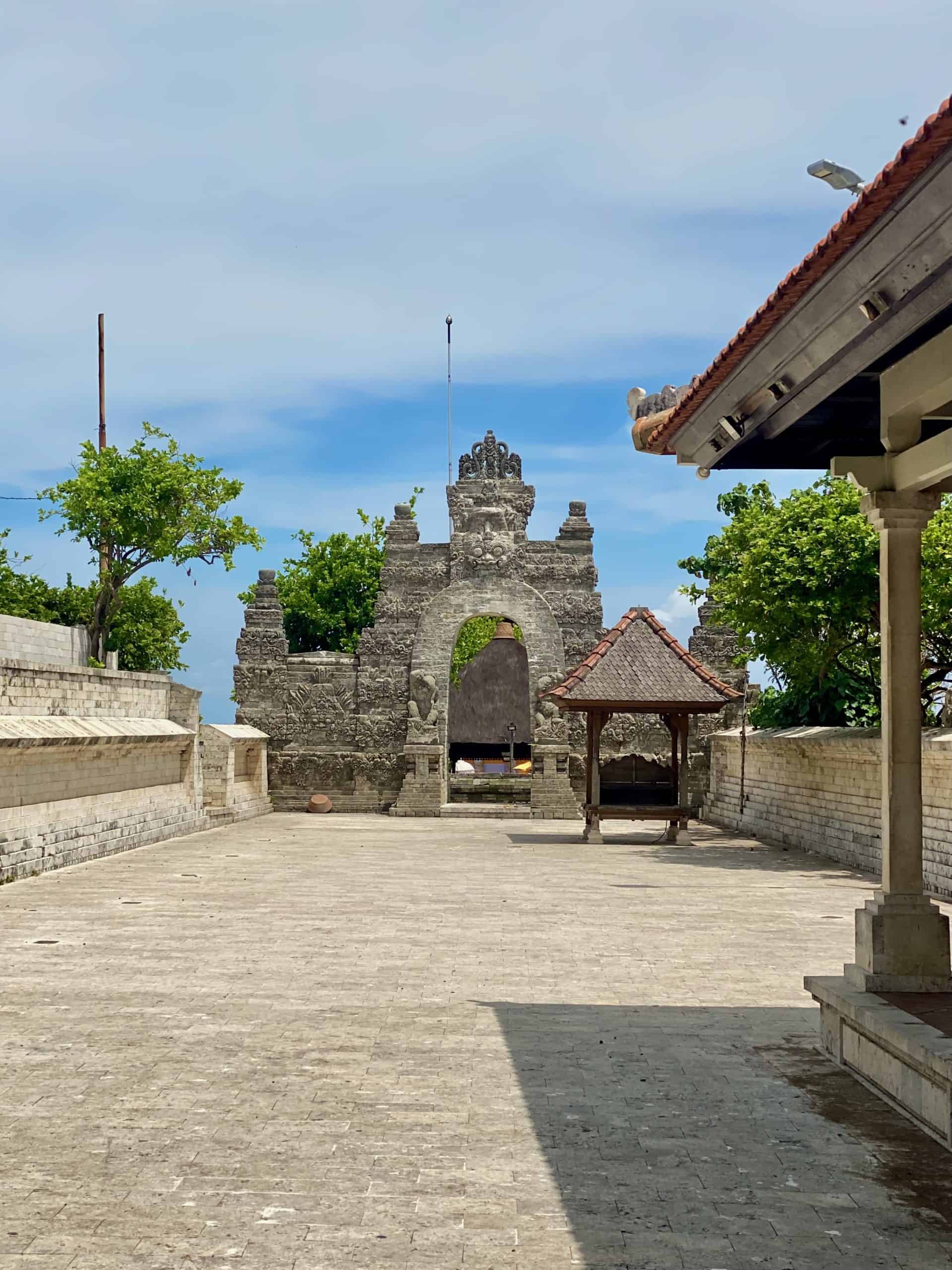
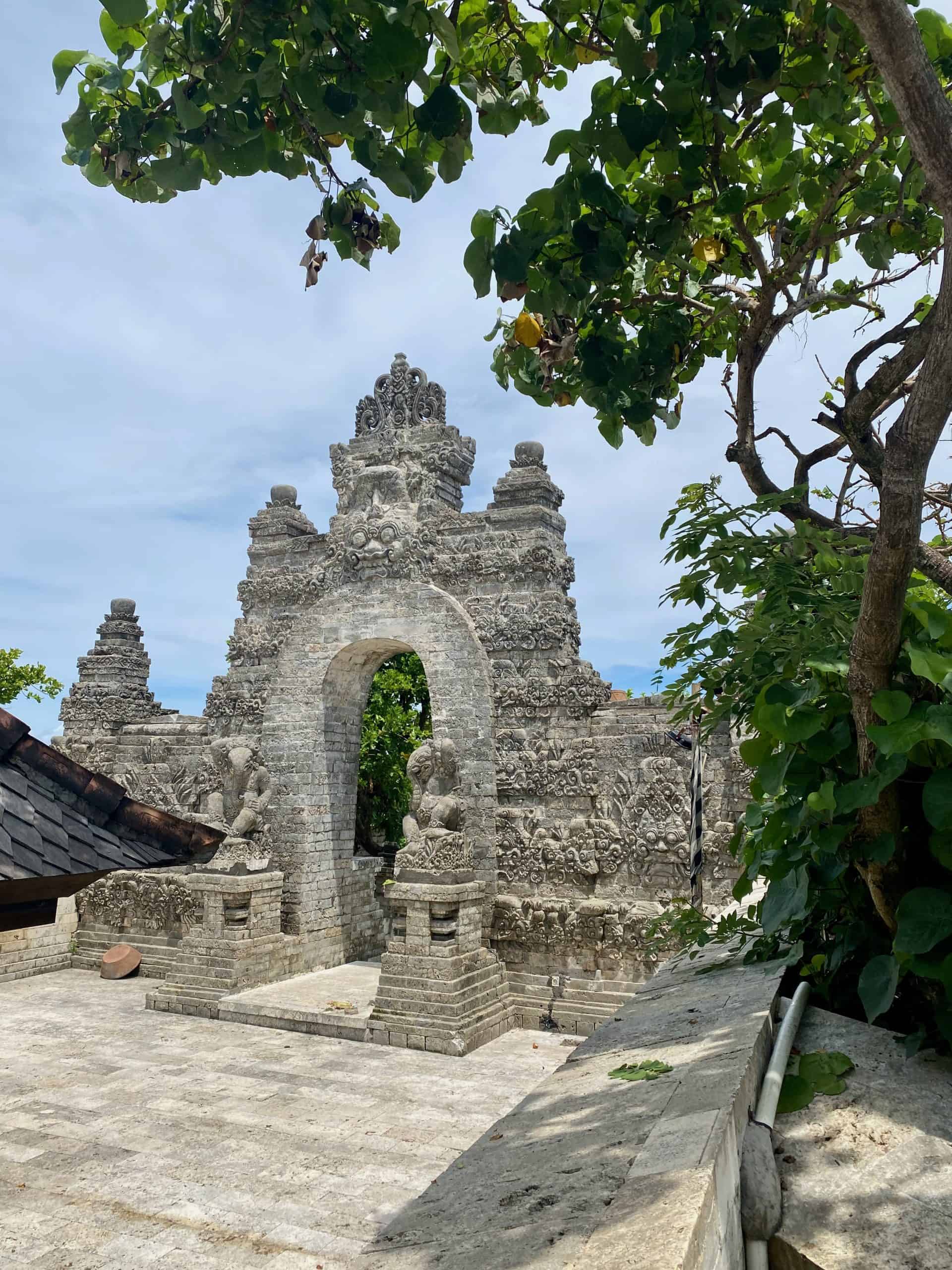
There is an arch at the end of the middle courtyard protecting the innermost courtyard guarded by Ganesha, remover of obstacles, on either side. Above it is a carved face belonging to Bhoma, known as the “Son of the Forest,” who guards the temple from evil spirits. Above that sits a carved bowl said to hold the Tirtha Amertha, the Elixir of Life, as told in the story of the Sea of Milk in the Mahabharata.
This was one of my favorite spots in the whole temple.
Walk the Cliffside Path:
Monkeys aren’t the only wildlife around the temple. You will also have a chance of spotting turtles coming up for air from the water below the cliff.
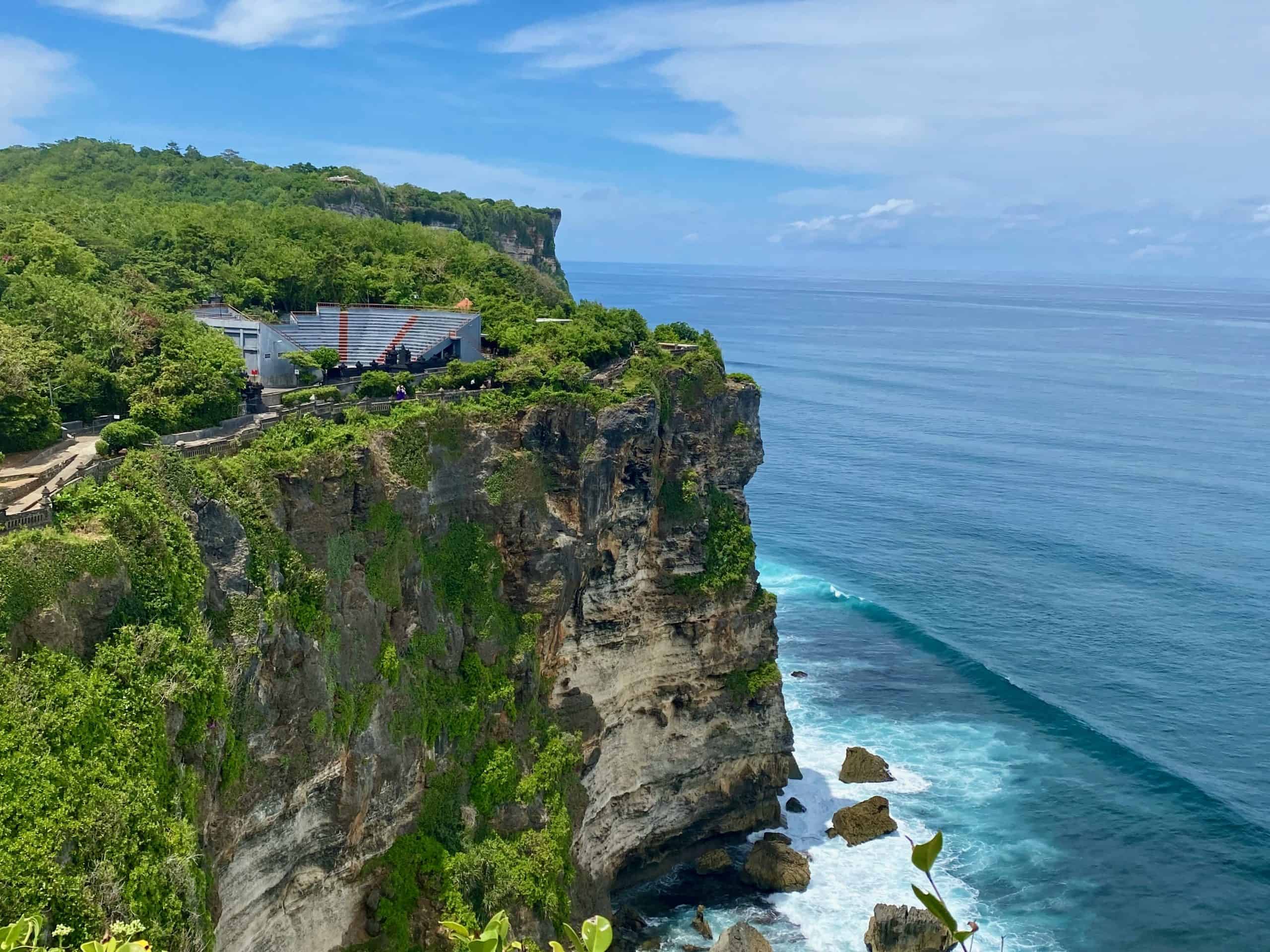
The cliffside path runs in a long line along the cliff before looping back to the temple grounds. It takes about 30 to 45 minutes depending on your pace, though even at a comfortable pace, it’s worth giving yourself closer to an hour if you want to stop for pictures or just take in the views, which are mesmerizing.
I stopped and sat along the path a couple of times to take in the impressive views.
Watch the Sunset:
The sunset from Uluwatu Temple is supposed to be spectacular, and it’s a big part of why the temple fills up later in the day.
You will have the magnificent sun setting on the horizon with the silhouette of the mystical temple as the backdrop. While multiple spots along the cliffside walk offer great sunset views, the temple is busiest at sunset.
If you plan to attend the Kecak Fire Dance and happen to be going to the first showtime, you will experience the sunset as part of the show. It is best to save a spot ahead of time, as the first showtime is usually fully booked given the splendid setting.
Watch the Kecak Fire Dance:
Uluwatu Temple hosts a Kecak Fire Dance at sunset, a beautiful cultural experience that adds mystique to the visit. There are two showtimes daily: the first at 6 pm, in time for sunset, and the second at 7 pm.
Tickets for this performance are separate from the temple entrance, and it is best to book in advance if you want to attend the sunset performance, as it is usually completely booked.
The Kecak dance retells a story from the Hindu epic the Ramayana, which follows Rama’s quest to rescue his wife Sita after she is kidnapped by the evil king Ravana.
Sita is lured away by a golden deer, a minister of the evil Ravana who tricks her into thinking Rama is in danger, prompting her to send Rama’s brother Lakshmana off to help him. Once unprotected, Ravana kidnaps her.
Rama then turns to Hanuman, king of the monkeys, for help finding her.
Hanuman’s monkey army eventually marches on Ravana’s palace, and after Ravana traps them with a magical snake-like arrow, the god Vishnu sends Garuda to free them so Rama’s forces can march forward. Once they’re able to fight, Rama’s forces defeat Ravana, rescue Sita, and Rama is crowned king on his return.
The performance itself involves up to a hundred men sitting around a fire, chanting the rhythmic “chak chak chak” that gives the dance its name while moving their arms and bodies to imitate Hanuman’s monkey army, which is also why it’s nicknamed the Monkey Dance. Hanuman is said to be a crowd favorite.
A Note on the Uluwatu Temple Monkeys
Monkeys have made the grounds of Uluwatu Temple their home, and are considered to be sacred. That said, they are also playful and curious little beings who will take any opportunity to steal and inspect your belongings at their leisure. Before my visit, I read that a group of scientists studied these monkeys, who have become skilled negotiators.
Over the years, they’ve learned to take all kinds of objects from visitors like sunglasses, hats, and phones, and only return them in exchange for food.
If a monkey steals something, a guard or ranger will often step in with fruit, usually rambutans, to negotiate it back. What is interesting, however, is the master negotiation that the monkeys employ. One piece usually works for something like a hat, two for sunglasses, and a phone is the grand prize, often requiring several pieces of fruit and a good deal of patience from whoever is negotiating.
If the negotiation doesn’t go well, the monkey can take off with the item and abandon it somewhere on the grounds later. Some visitors have tracked down a lost phone this way using its location, though there’s no telling how long a monkey will want to play with it first.
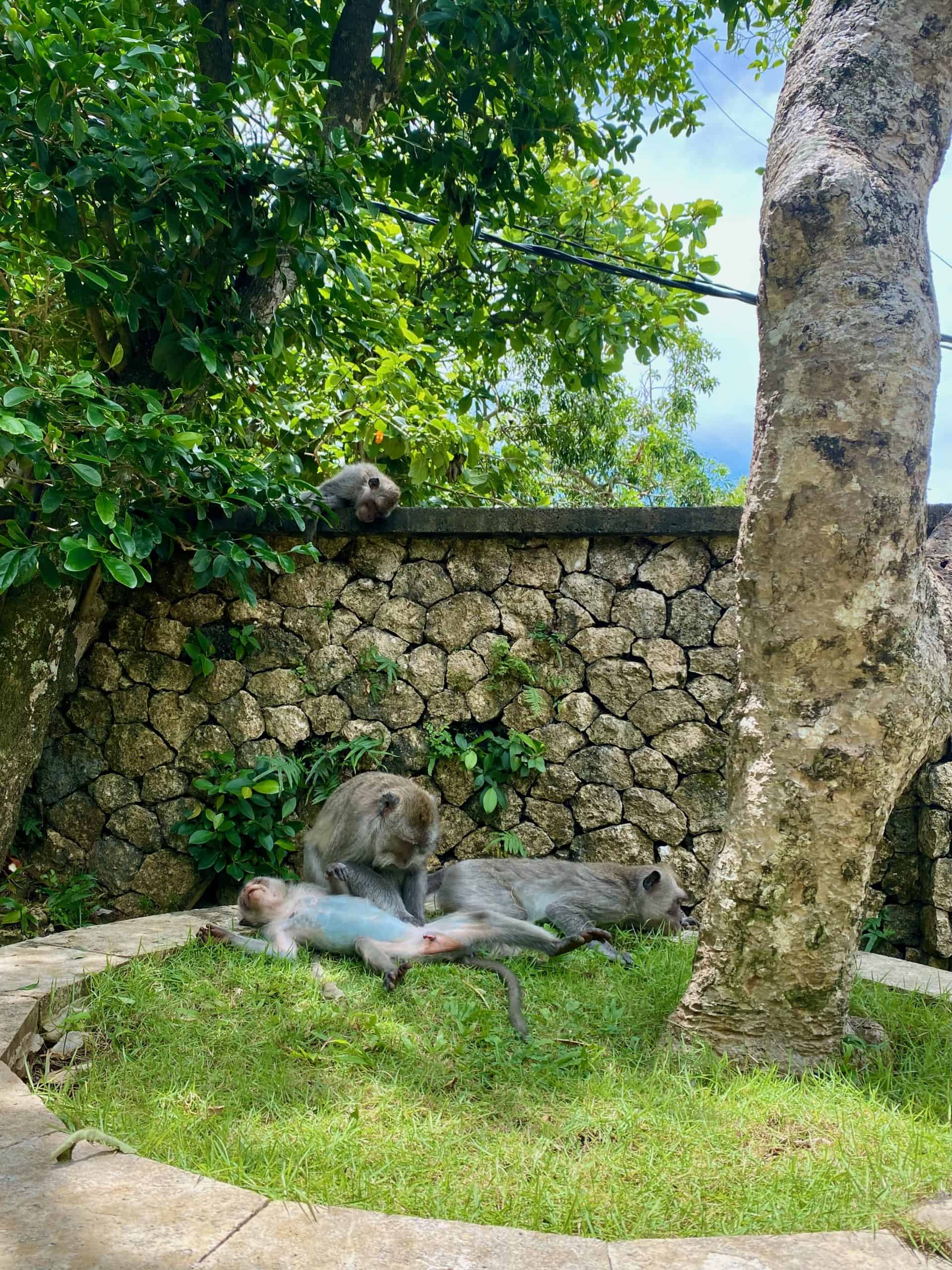
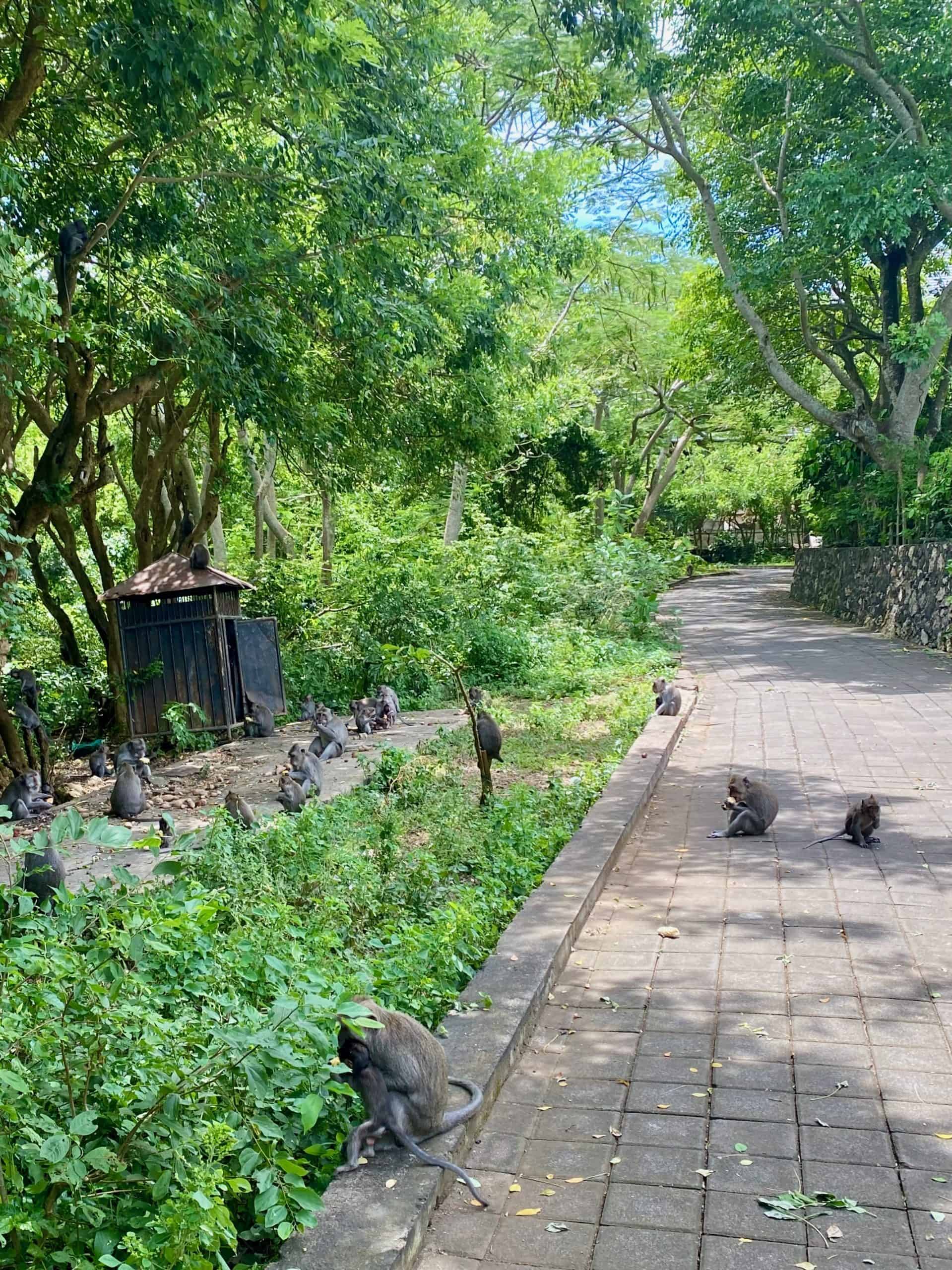
A monkey went for my phone while I was there. I held on tight, so it missed, but the adrenaline from the sudden struggle made me put the phone away.
My advice is to keep valuables zipped away in a closed bag, and stay vigilant while taking pictures. And if something does get taken, it’s always better to get help negotiating it back rather than trying yourself. Staff is usually close by anyway, since this happens often.
Additional FAQs
How Long Is the Uluwatu Temple Walk?
It takes about 30 to 45 minutes depending on your pace, but it’s worth giving yourself closer to an hour if you want to stop for pictures or just take in the views.
The cliffside path at Uluwatu Temple runs in a long line along the cliff before looping back to the temple grounds. If you’re planning your full visit, including the courtyards and the walk, give yourself a couple of hours. I stayed at the temple a little over two hours.
Is Uluwatu Temple Worth It?
Absolutely! The cliffside walk has incredible views, and the temple’s architecture, built entirely of coral, is stunning. The grand arch guarded by Ganesha statues at the entrance to the inner courtyard is an image that lives in my memory rent-free.
The monkeys are part of the appeal too, including watching the rangers negotiate with them when they steal something. Truly unique!
I’d recommend going early. I enjoyed how easy the visit felt without the crowds.
It is also worth noting that you can catch a Kecak Fire Dance elsewhere on the island. I watched it in Ubud myself.
Is Uluwatu Temple Free Entry?
No, there’s a ticket entrance at the start of your visit, where staff also check that you’re dressed appropriately for a holy site before letting you in.
For international visitors, tickets cost 60,000 IDR (about 4 USD) for adults and 40,000 IDR (about 2 USD) for children. Tour guides are also available at the entrance for an additional fee, if you’d like someone to walk you through the temple’s history.
Is There a Dress Code for Uluwatu Temple?
Yes, Uluwatu Temple is a holy site, so shoulders and legs need to be covered. If you show up without the right coverage, staff will give you a cloth to wrap around yourself.
Balinese custom also requires a sash tied at the waist, and sometimes a sarong, which is common practice at most Balinese temples. Both are provided and included with your entrance fee, so there’s nothing you need to bring or rent ahead of time.
Final Thoughts
Uluwatu Temple was the first temple I visited in Bali, and it remains one of my favorites. The setting above the open ocean is both dramatic and liberating.
My preference and recommendation is still to go early if you can. I arrived around 10 am and had the grounds mostly to myself before the crowds built up later in the day. While I missed the Kecak Fire Dance at the temple, I was able to catch a performance later in my visit during my stay in Ubud.
Do not miss the cliffside path because those views are breathtaking, and look down to see if you catch the sight of some wild sea turtles. And then there are the monkeys. Those playful hosts. Remember to keep your phone and belongings close, and let the rangers help negotiate if something does get taken.
Between the history, the architecture, the views, and the monkeys, Uluwatu Temple is packed with experiences!