Is Istanbul Worth Visiting? 15 Reasons Why the Answer Is Yes

Istanbul is a city that has been coveted like a precious gem by the most glorious empires throughout history. Monarchs, ambassadors, and travel writers have left behind unbelievable accounts of its beauty and mystique. And yet, for a city so storied, many travelers still question is Istanbul is worth visiting.
I suppose the hesitation is whether it lives up to its reputation, and in my opinion, it certainly does.
Below are 15 reasons why Istanbul is absolutely worth visiting. The layered history, exquisite architecture and food, charming neighborhoods, and enchanting Bosphorus waters. All this and more make Istanbul an unforgettable destination.
Is Istanbul Worth Visiting?
Yes, Istanbul is absolutely worth visiting. It is a city like no other , both architecture and culture have been shaped by centuries of conquest and trade. Throughout time, it has captivated different kinds of travelers precisely because of its diversity and limitless charms.
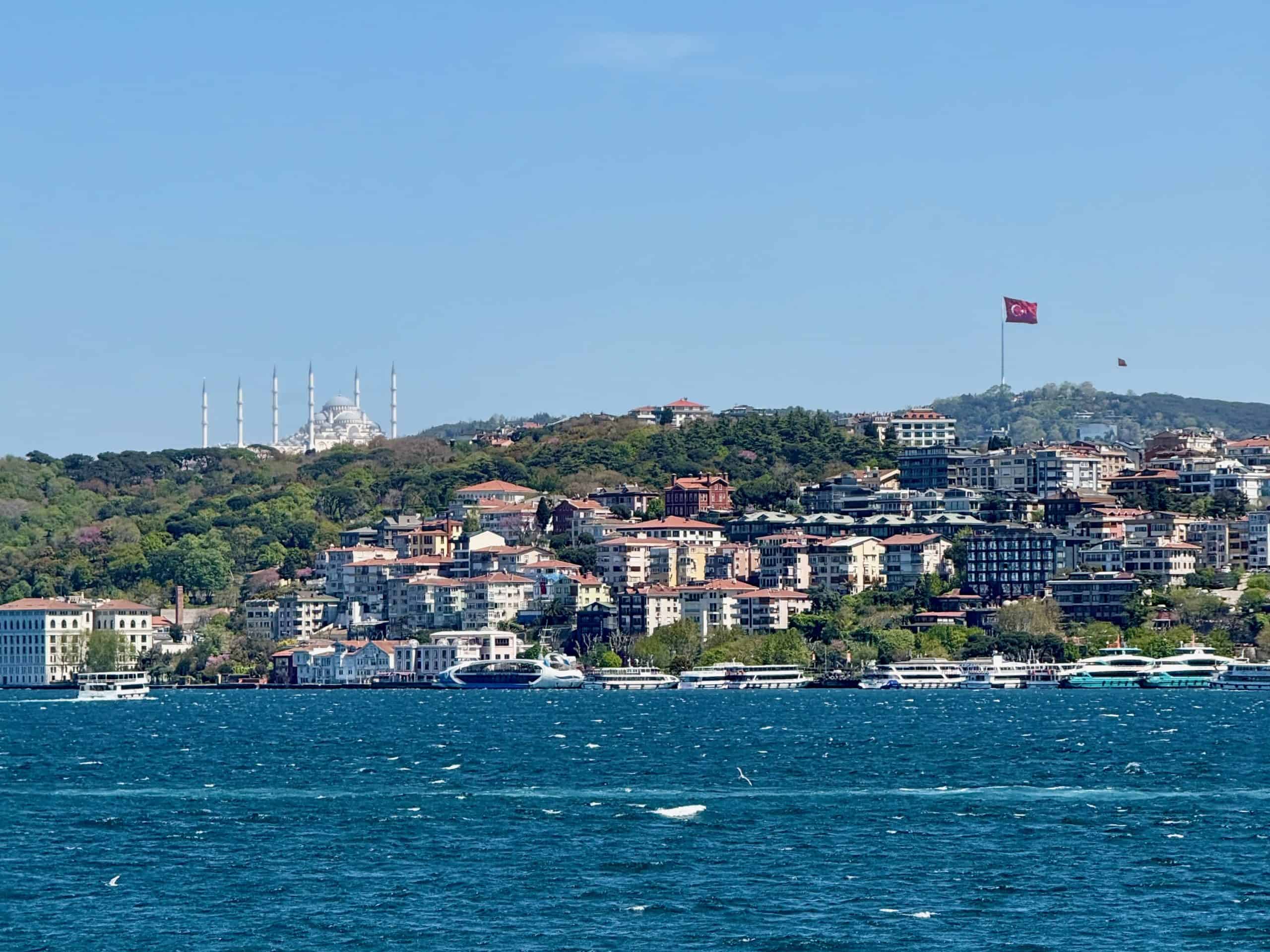
Connecting East and West, today a short ferry ride across its turquoise waters takes you from Europe to Asia, and the ride alone is a reason to visit. Beyond that, Istanbul offers a rich history, striking architecture, exquisite cuisine, splendid artisanal goods, vintage or new fashion finds, and views that honor the coexistence of human craft and nature.
In modernity, Istanbul remains one of the most dynamic cities in the world. It is also safer, more navigable, and more welcoming than many first-time visitors expect. If you are on the fence, this guide is for you.
15 Reasons to Visit Istanbul
Istanbul is an immense city, so you could spend weeks touring it and still feel like you’ve only just begun. The reasons to visit are as layered as the city itself and some are grand and iconic while others are more niche and quiet. Below are 15 that I typically use to make a case.
1. Layers of Epic History
Istanbul is a city with a rich and intricate past that has left behind monuments, artifacts, and cultural influences from all those who have conquered, inhabited, or used it as a refuge throughout time. Few cities in the world carry this many layers of civilization within a single skyline.
Originally founded as Byzantium, the city became Constantinople under the Roman Empire before being conquered by the Ottomans in 1453 and eventually becoming the Istanbul we know today.
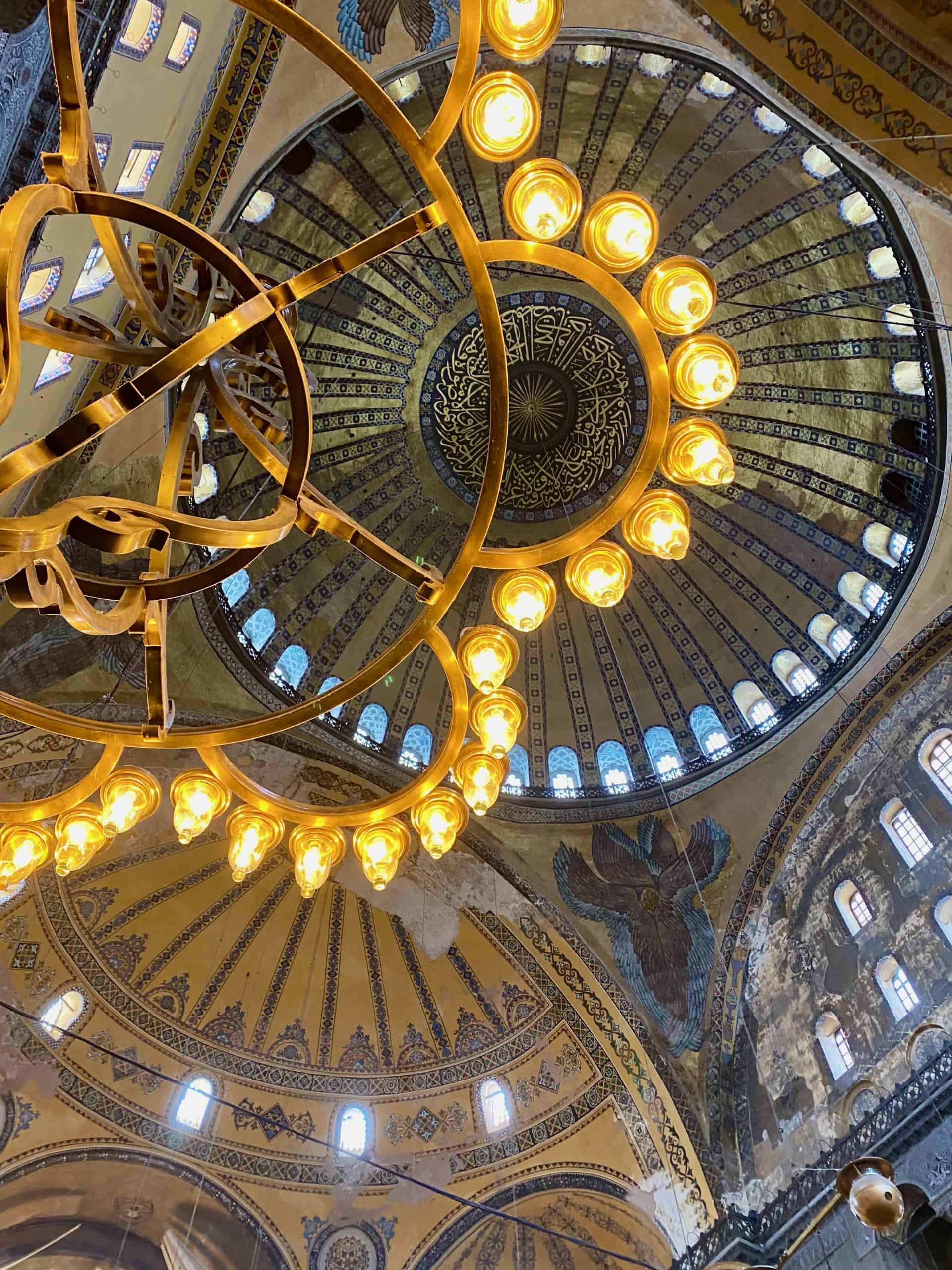
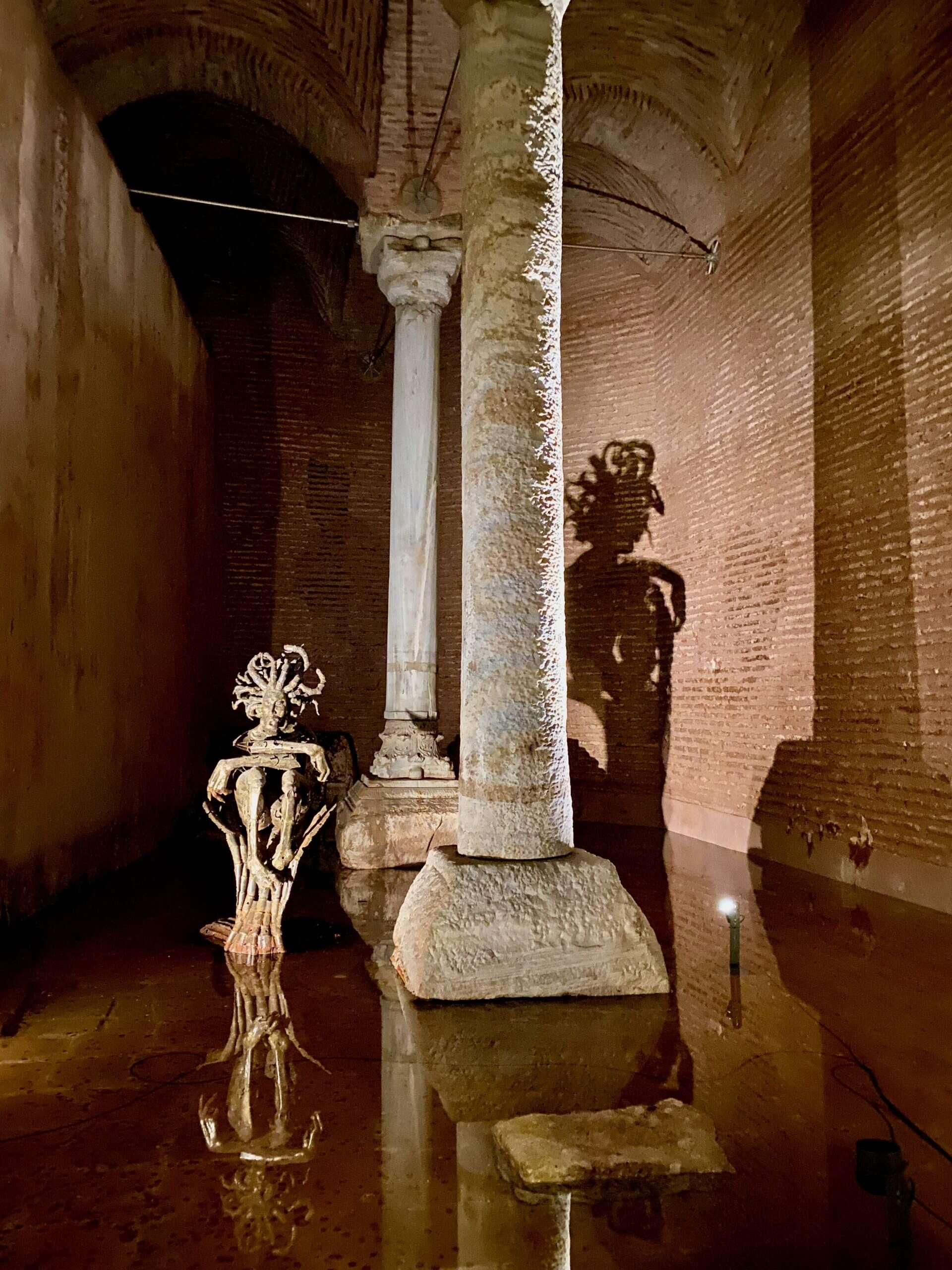
Evidence of each era survives in the mosaics of the Hagia Sophia, in the columns of the Basilica Cistern, in the imperial grandeur of Topkapı Palace, and in the neighborhood of Balat, which sheltered Jews fleeing Spain and Christian minorities welcomed by the Ottoman rulers of the time.
This is not history confined to museums. It is a part of the living city.
2. Remarkable Architecture
The craft of architecture in Istanbul is something extraordinary to witness in person.
In the Hagia Sophia the vast changes the city has endured are evident. Originally a Byzantine church built between 532 and 537 CE, converted into a mosque upon the Ottoman conquest, then a museum, and now serving as both mosque and museum. The low-hanging lights, the perfectly constructed domes, the firm marble columns, and the mosaics offer a unique and special experience.
The Blue Mosque, officially the Sultanahmet Mosque, was commissioned by Sultan Ahmed I to rival the Hagia Sophia. Its exquisite decoration, consisting predominantly of accentuated hues of blue, makes it perhaps the most iconic mosque in Istanbul.
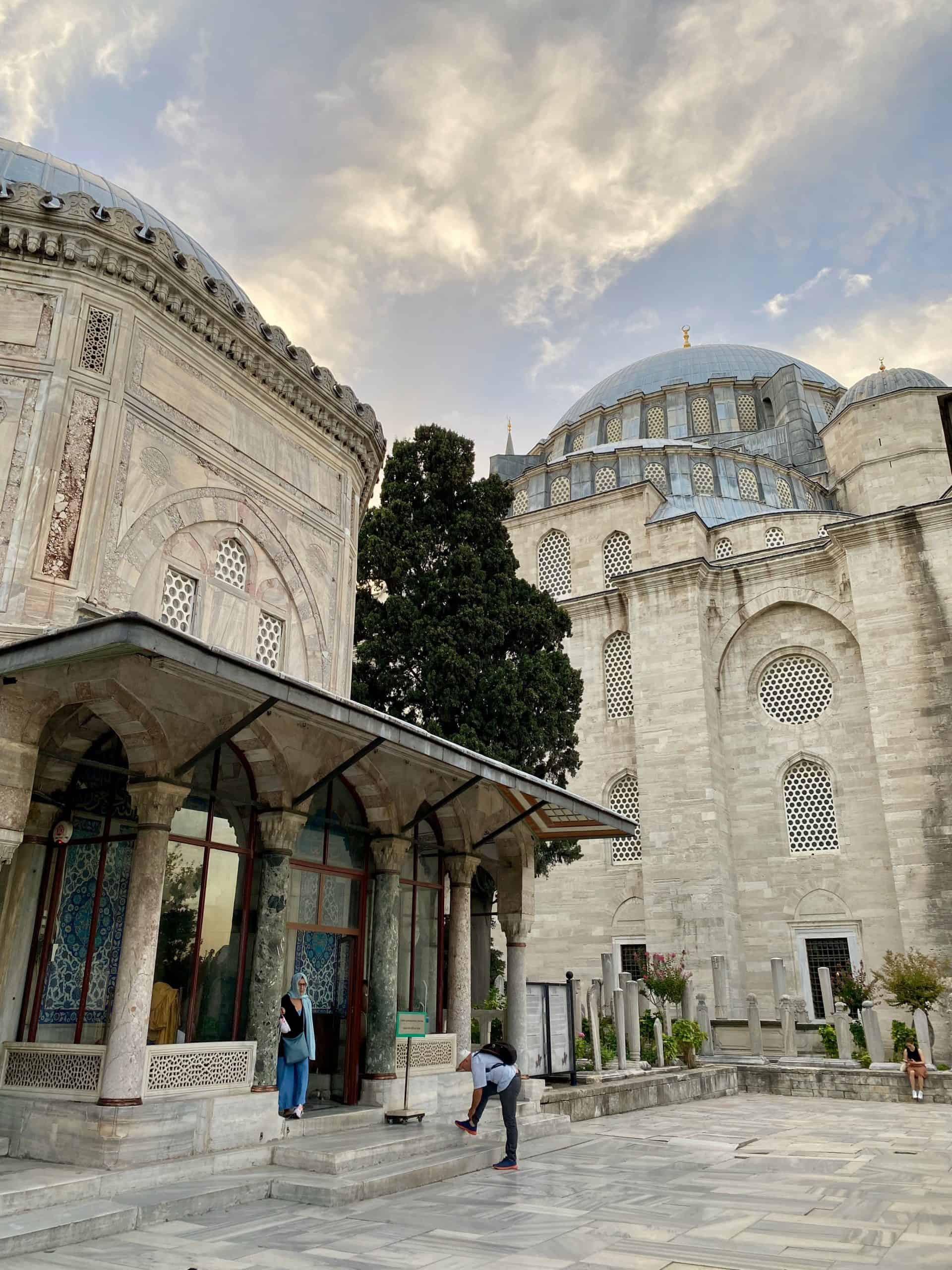
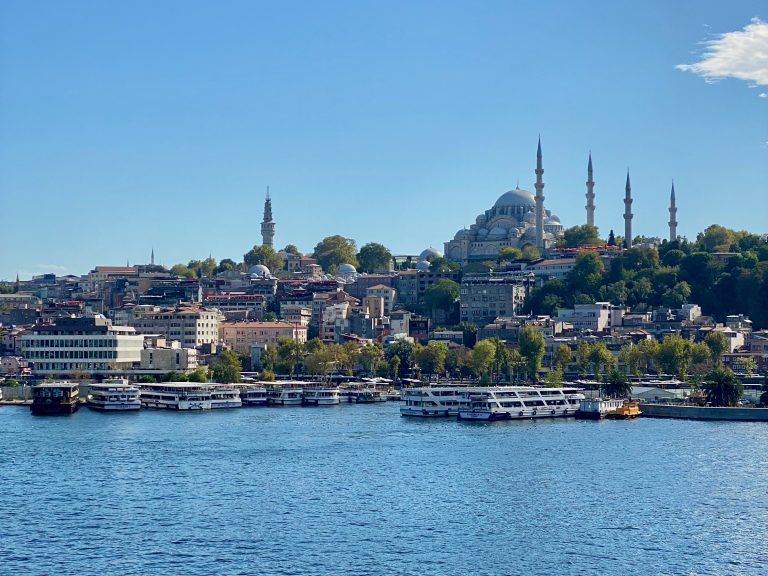
The Suleymaniye Mosque, designed by one of Turkey’s most revered architects, Mimar Sinan, is considered by some to be his greatest work and one of the grandest exhibitions of Ottoman architecture. This one is my personal favorite. Its gardens also host a spectacular view of Istanbul.
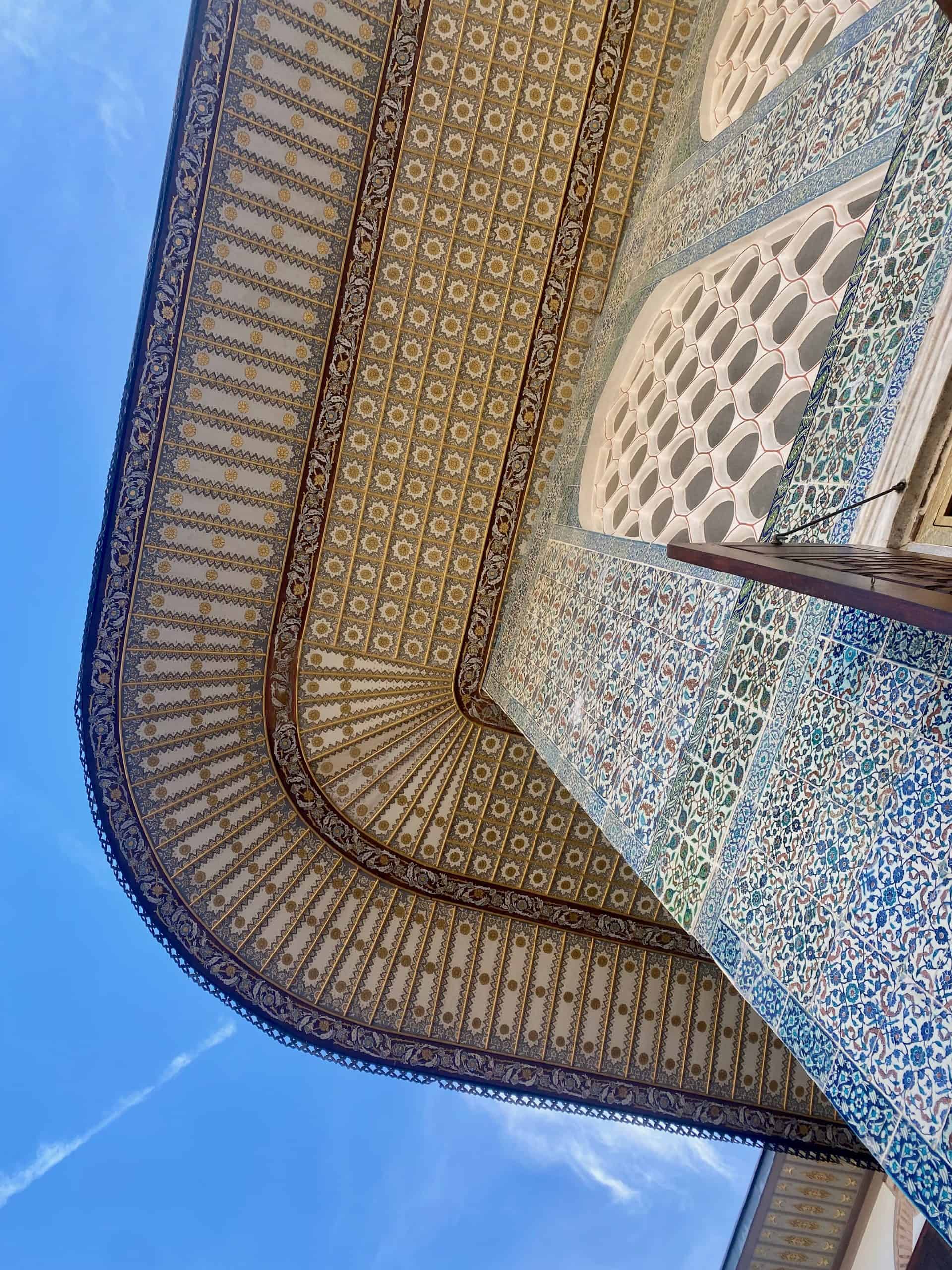
Beyond the mosques, Dolmabahçe Palace, the largest palace in Turkey, is a prime example of European influence and Ottoman mastery of architecture and decor. Host to the largest crystal chandelier in the world, its walls and ceilings are decorated in magnificent gems, its floors lined with elegant Hereke carpets.
Then there is the Galata area, known for its beautiful neoclassical and Art Nouveau architecture. The city is, in itself, an open-air museum.
3. The Bosphorus
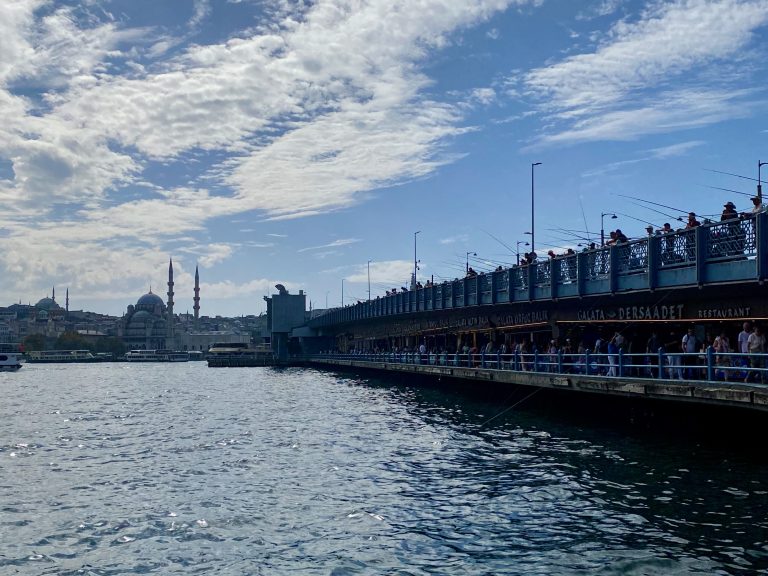
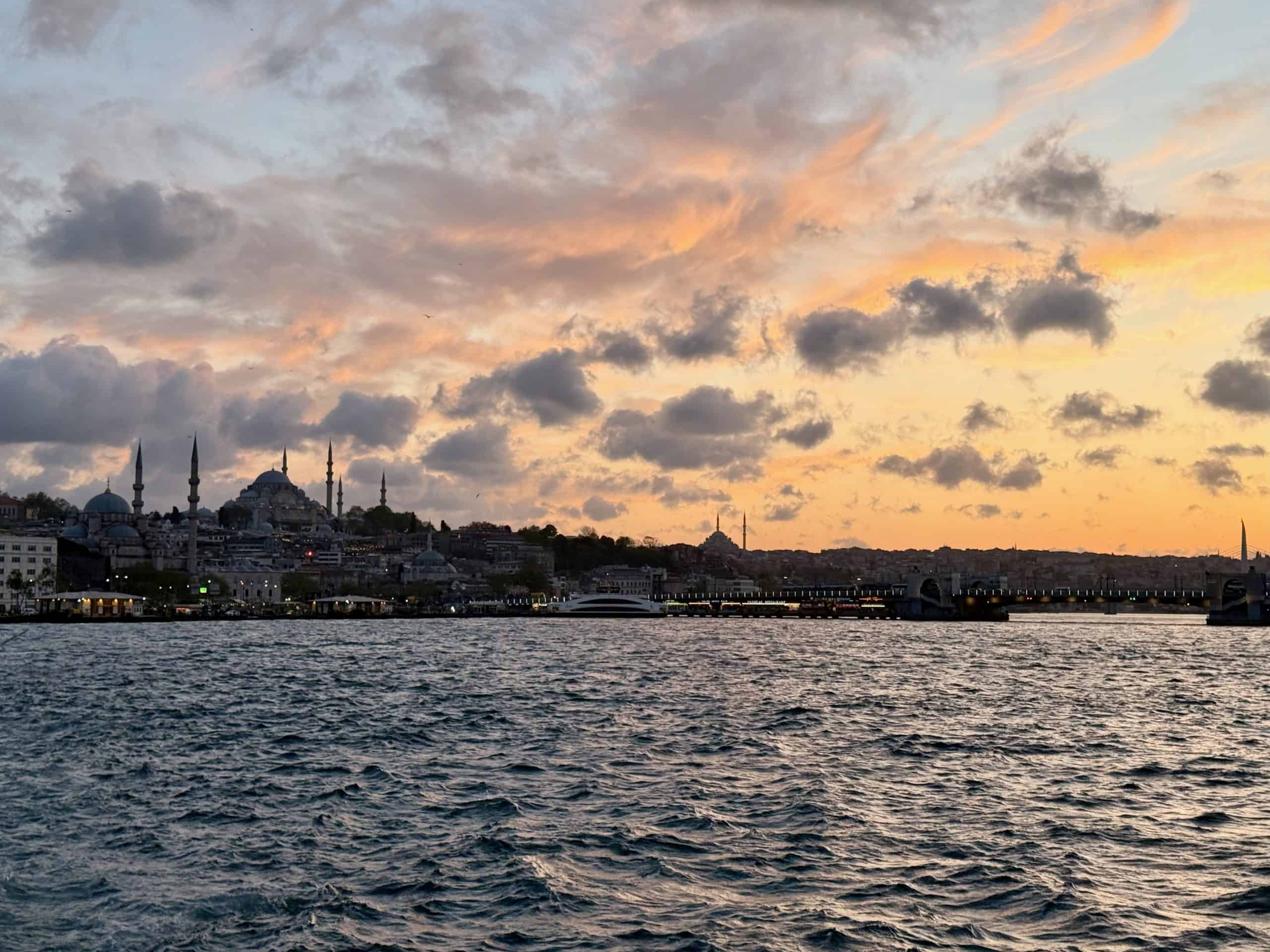
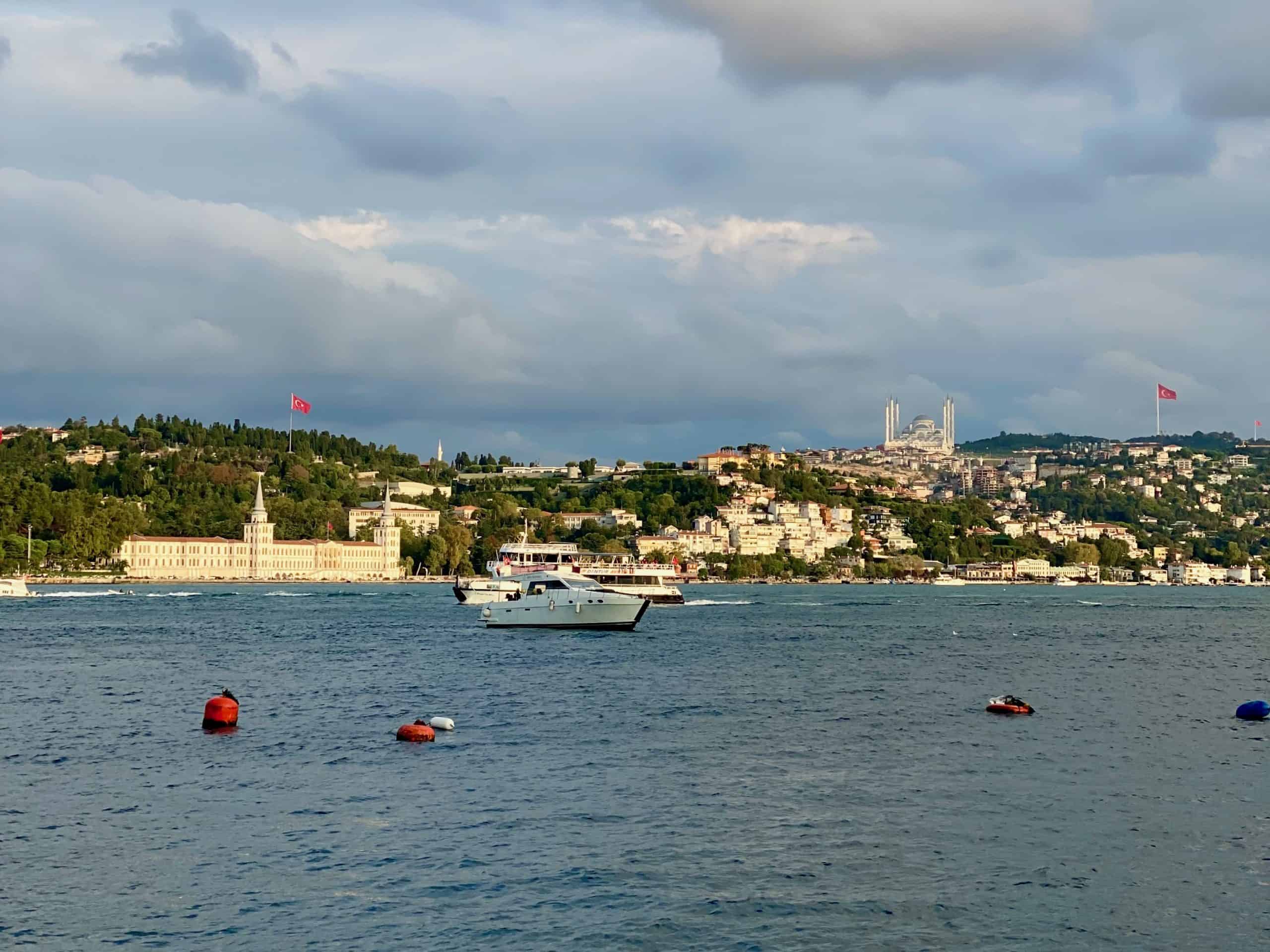
The Bosphorus is the soul of Istanbul. Its turquoise waters run between the European and Asian sides of the city, and from almost any vantage point, the view is breathtaking.
Nobel-winning author Orhan Pamuk writes that for Istanbulites, the Bosphorus is a source of tranquility and refuge. Especially on evenings and weekends, you will find that multitudes stroll along its waters throughout the different boardwalks in the city.
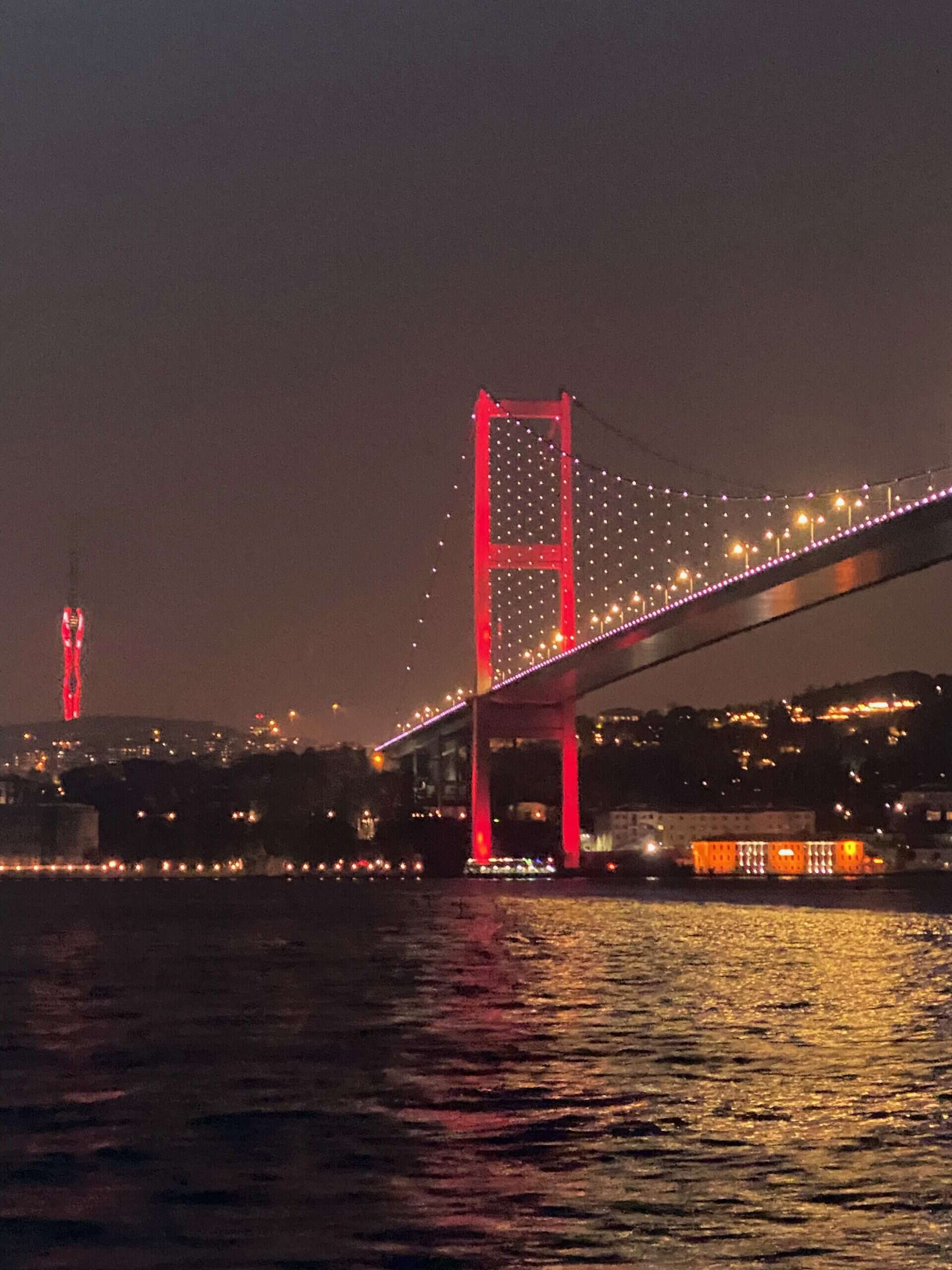
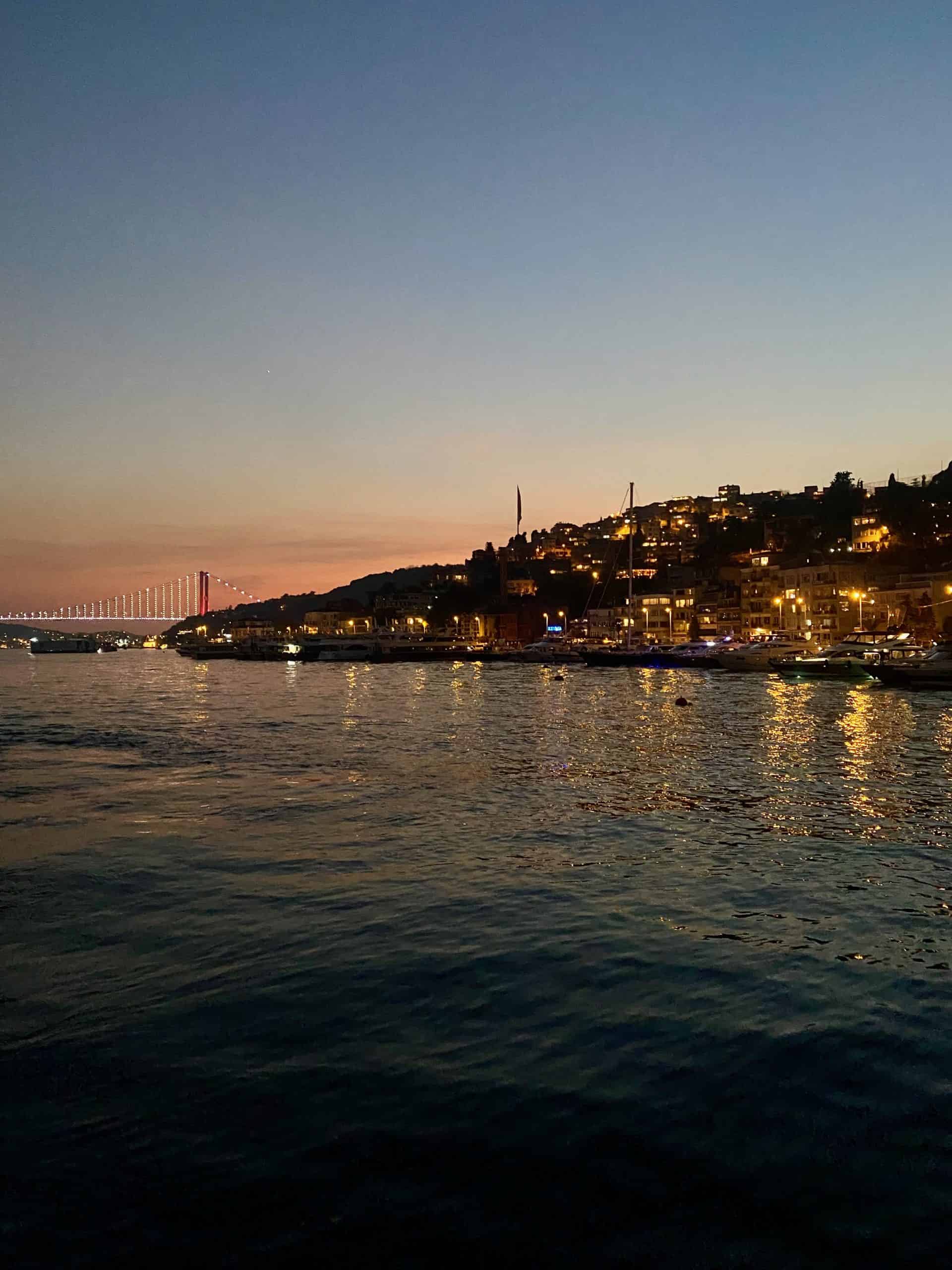
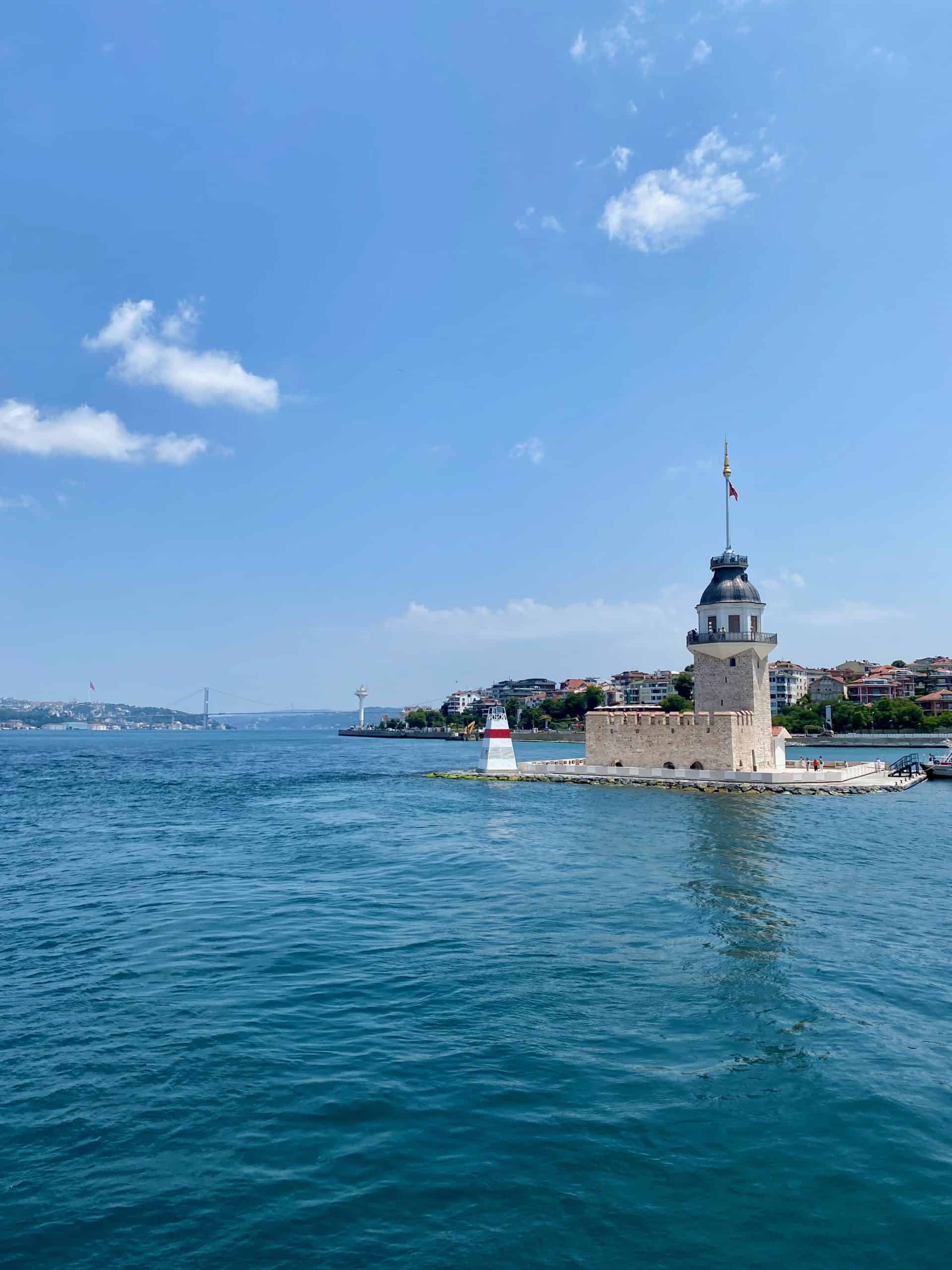
One of the best ways to experience the Bosphorus is by taking a tour along its waters. The Turyol ferry, which can be boarded in Eminönü or Karaköy, loops back after reaching the Fatih Sultan Mehmet Bridge, passing landmarks including the Galata Tower, Topkapı Palace, Dolmabahçe Palace, Çırağan Palace, the Maiden’s Tower, and more. It is approximately 1.5 hours of views that are difficult to find words for.
After a day filled with mesmerizing mosaics, colorful tiles, and antique artifacts, an enchanting ride on the Bosphorus is a lovely way of clearing your mind and letting everything you’ve seen sink in.
4. Two Continents, One Day
Istanbul is the only city in the world that spans two continents. In a stunning ferry ride, you can quickly jump from Europe to Asia or vice versa. Ferries depart from Eminönü or Karaköy every 20 minutes, making the crossing as easy as taking the subway except considerably more scenic.
The Asian or Anatolian side of the city reserves a more local feel when compared to the European side, which tends to be more touristic. For this reason, crossing over offers a good opportunity for a more immersive experience of Turkish culture.
Moda is a charming neighborhood in Kadıköy, on the Anatolian side, and my personal favorite. Moda Caddesi runs from the end of the Kadıköy Fish Bazaar to the Moda Pier, which now houses a library. The avenue is lined with cafes, restaurants, and traditional pastry shops. It is a beautiful residential neighborhood with a few parks and delightful seaside promenades. One of the promenades boasts a spectacular view of the historical peninsula, and many locals sit on the rocks nearby to watch the sunset.
5. A City That Tells Stories Through Its Streets
Istanbul is adorned with stories throughout. Some are etched into the architecture, others buried beneath the ground, but they reveal themselves to those who slow down and look around.
The Camondo Stairs in Galata were created by a prominent family in banking. It is said they were constructed as a pleasant shortcut from Pera to the street of banks.
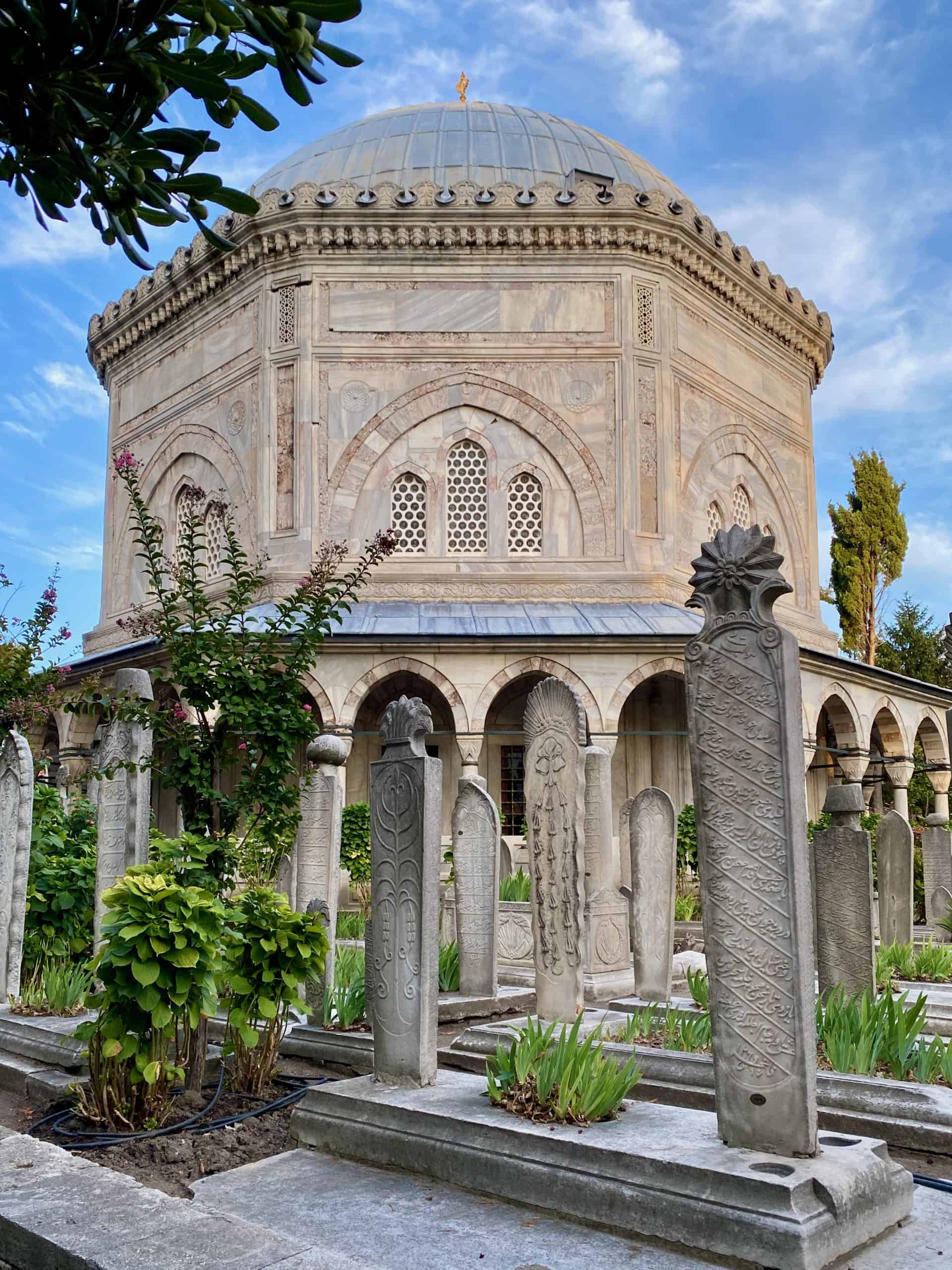
Near the garden of Suleymaniye Mosque lie the mausoleums of Suleiman the Magnificent and his beloved wife Hurrem Sultan. Hurrem Sultan arrived in the palace harem as a slave and concubine and went on to become one of the most influential and controversial women in Ottoman history. When Suleiman held a ceremony to officially marry her, the news shook the city. Letters and changes in the Ottoman state corroborate what became a legendary love story.
Then there is the Georges Hotel Galata, whose building originally belonged to the founder of the first modern psychiatric hospital in the Ottoman Empire. After being abandoned, it became a chandelier workshop before being restored into the hotel it is today.
The Basilica Cistern, left and forgotten for a few centuries, holds columns decorated with the head of a Medusa and several theories about why. Istanbul does not just have history. It has many stories.
6. Neighborhoods Each With a World of Their Own
Istanbul is composed of 39 districts spread between two continents, and each neighborhood carries a distinct character.
Cihangir and Çukurcuma have a bohemian feel and have for decades been associated with expats and intellectuals. Cihangir is considered one of the hippest neighborhoods in Istanbul with a coffee shop on every corner, there are many shops selling creative versions of Turkish artisanal crafts that make for rather special souvenirs.
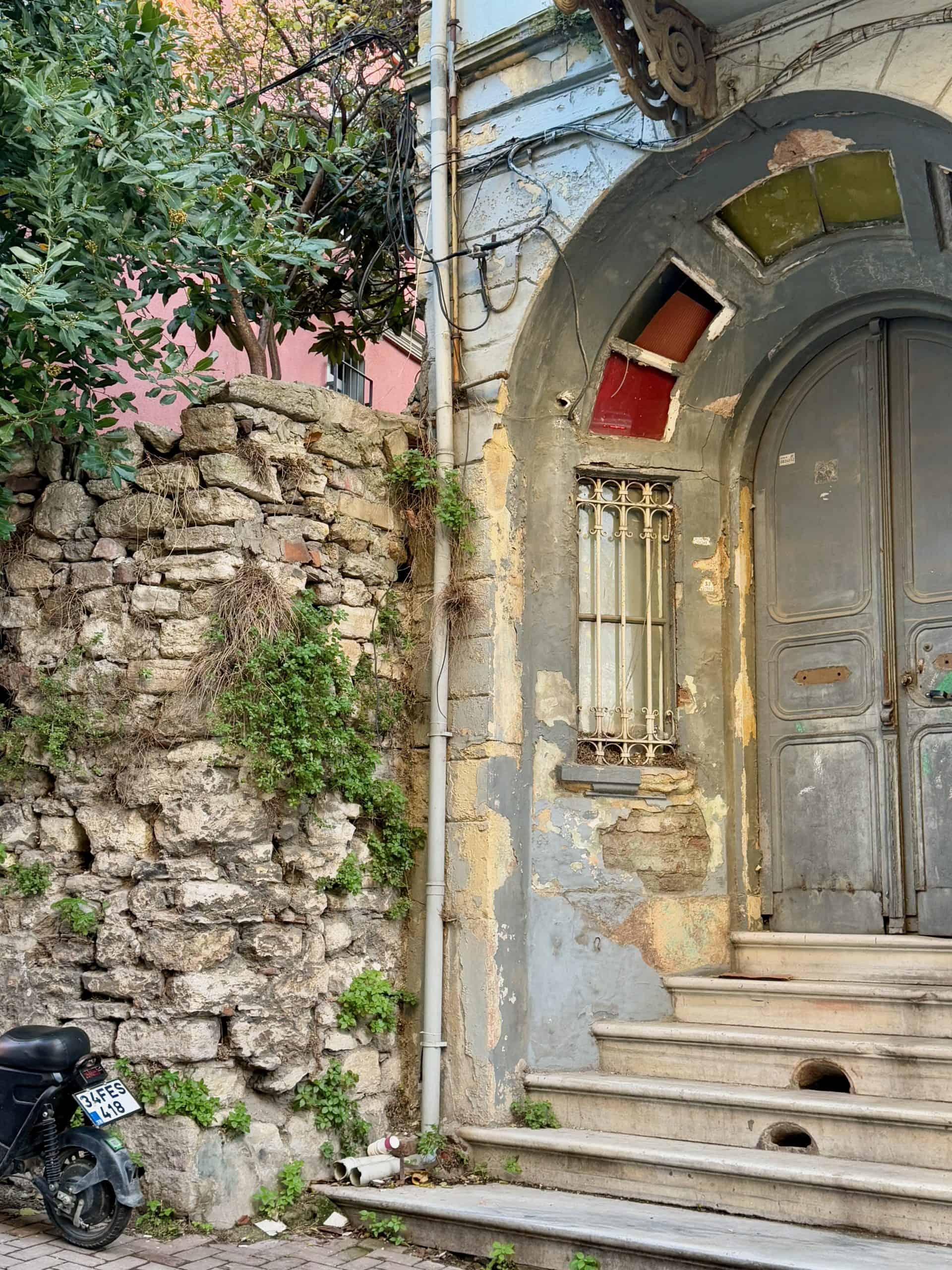
Fener and Balat are a splash of colors that seem impossible together but create a captivating charm. Fener became home to the Greek Orthodox population of Istanbul after the fall of the Byzantine Empire. Balat was once a refuge to Jews fleeing Spain and Christian minority groups welcomed by the Ottoman ruler of the time. The rich diversity of these streets was recorded by travel writers as striking with Armenians, Greeks, Ladino-speaking Jews, and Muslims coexisting in one place. In recent years, interest in the neighborhood has flourished, and it is now popular for its colorful and antique houses.
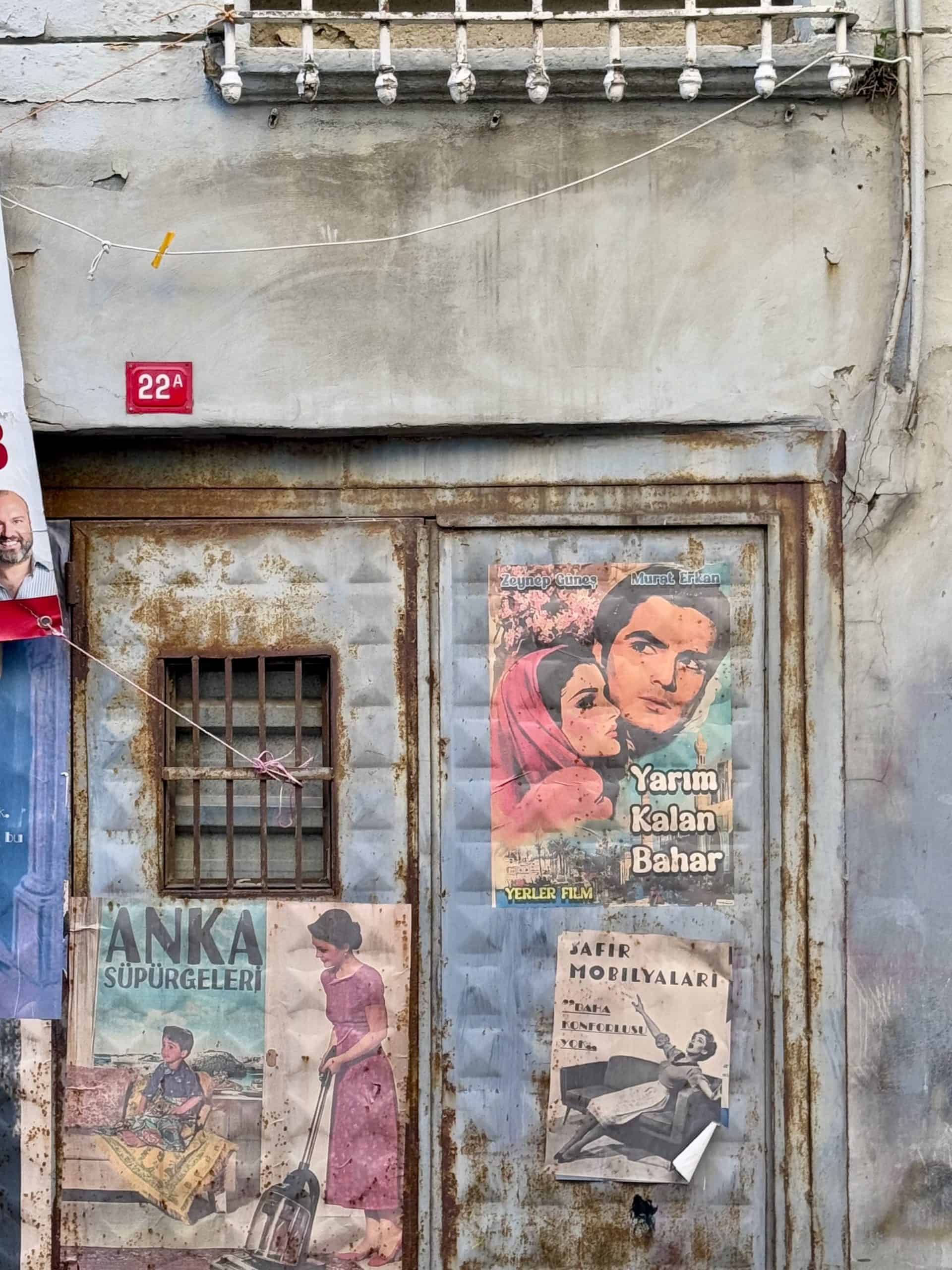
On the Asian side, Kadıköy is one of the trendiest areas of Istanbul, housing a variety of charming cafes, meyhane-style restaurants, outdoor bars, and seaside walking routes. Moda, a neighborhood within Kadıköy, is particularly special its avenue runs from the Fish Bazaar to the Moda Pier, which now houses a library. The area is also home to independent cinemas, artist workshops, and theatres including the famous Süreyya Opera House.
7. The Food
Turkey is a country abundant in diverse flavors and culinary creations. There is much to be discovered, from its street food to some of the best restaurants in the world.
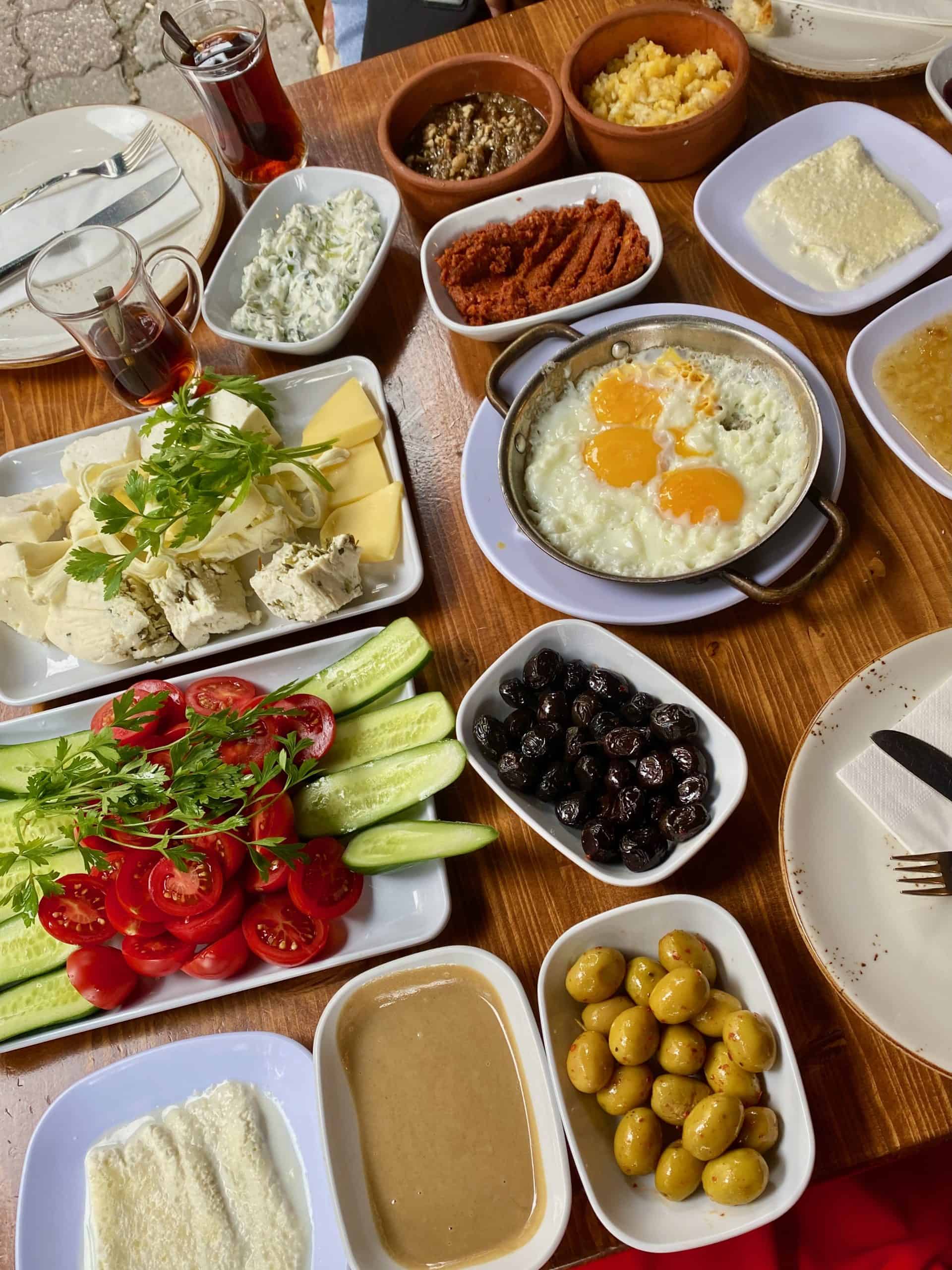
A traditional Turkish breakfast alone is a serious affair. The table is spread with rich flavors and colorful plates of bread, eggs, cheese, tomatoes, cucumbers, olives, multiple marmalades, cream, honey, and Turkish tea.
For dinner, the options range from a creative and refined menu at Yeni Lokanta, part of Istanbul’s Michelin guide and the 50 Best Restaurants in the World to the smoky, fire-driven dishes at Mürver, also Michelin-listed, with beautiful views of the Bosphorus and the historical peninsula.
Çiya Sofrası in Kadıköy is a staple and one of the most famous restaurants in Istanbul, serving traditional Turkish dishes, and is also part of the 50 Best Restaurants in the World.
For sweets, Karaköy Güllüoğlu in Karaköy is one of the best places in Istanbul for baklava, and Hafız Mustafa is known for Turkish delight with multiple locations across the city.
The food experience alone makes Istanbul worth a visit. For a deeper guide, see the Istanbul Street Food: A Complete Guide to the City’s Best Eats.
8. The Meyhane Experience
A meyhane is a traditional Turkish restaurant that takes the style of a tavern serving meze and rakı. Meze are appetizer-sized, tapas-like plates served alongside the traditional Turkish anise liquor known as rakı. A typical experience involves a table full of mezes, a bottle of rakı, conversation amongst friends, and in many meyhanes, eventually traditional, sometimes nostalgic, Turkish ballads.
Meyhane is a unique experience and one of the great ways to spend an evening in Istanbul. On the Asian side, many can be found on Güneşli Bahçe Street in Kadıköy. In the evenings, they are full, and as you walk by, the conversation and traditional music spill out onto the street. It is impossible to pass without feeling the pull to sit down.
For a more elevated version of the meyhane experience, Ahali Teşvikiye in Nişantaşı offers a modern, upscale take that is popular amongst locals.
9. A Slow Coffee Culture
Turkish coffee is not just a drink, it is more of a ritual. Thick, strong, and served in small cups, it offers those who drink it a moment to slow down.
More importantly, the coffee culture in Istanbul is about sitting to enjoy the drink, whether it is traditional Turkish coffee or the more modern latte-centered menus. Regardless, both the service and the drinking are pleasantly slower than in coffeeshops in the West.
The atmosphere is also rather unique, energizing, but more from its convivial nature rather than the caffeine. Since it is a sit-down culture, the cafes tend to be lively and inviting. Ideas and anecdotes flying through the air. Contrary to the West, coffee shops are popular for meet-ups late into the evening, with some closing only a couple of hours before midnight.
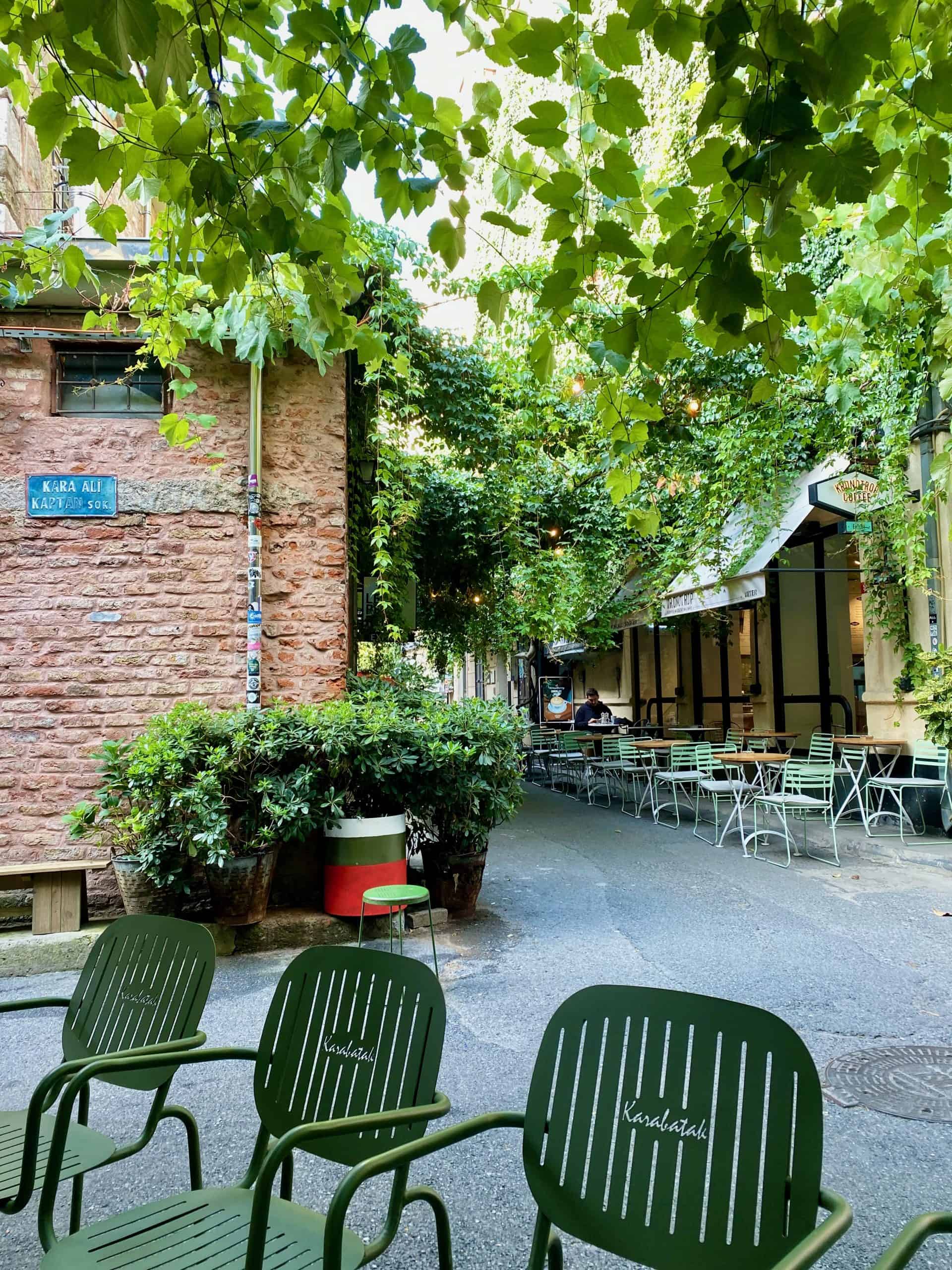
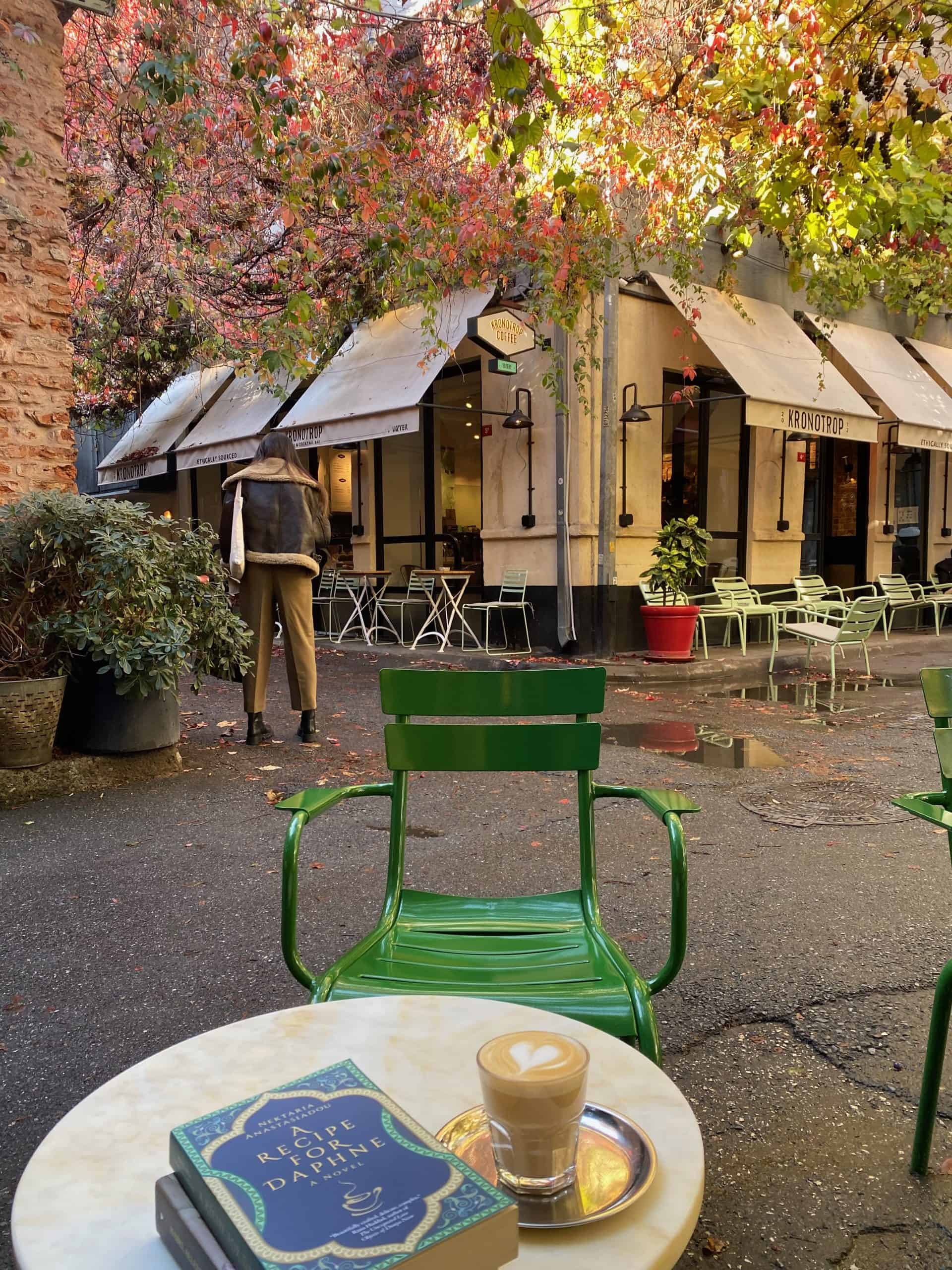
In Cihangir, it can seem that there is a coffee shop on every corner, many with outdoor seating that makes the most of the neighborhood’s hilly, cobbled streets. The area has long attracted artists, writers, and expats who come for exactly this kind of lingering.
On the Anatolian side, Icadiye caddesi in the Kuzguncuk neighborhood of Üsküdar and Moda Caddesi in the Moda neighborhood of Kadıköy are great places to explore Istanbul’s coffee culture.
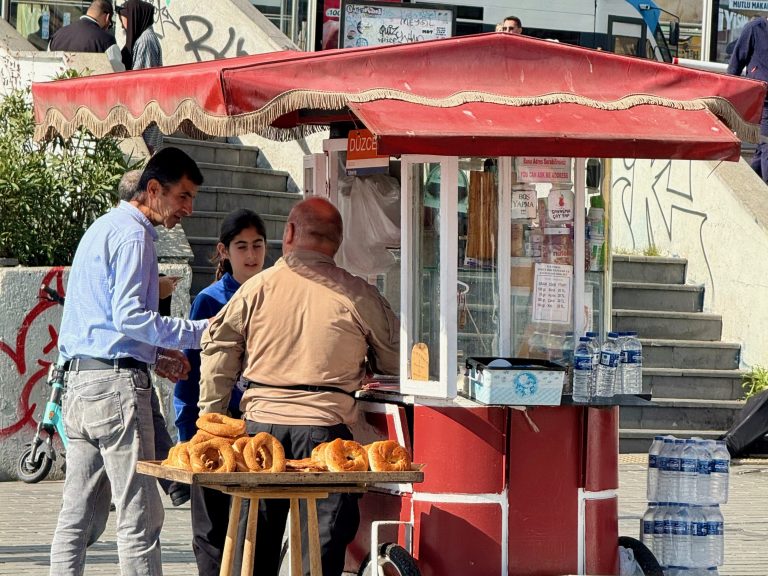
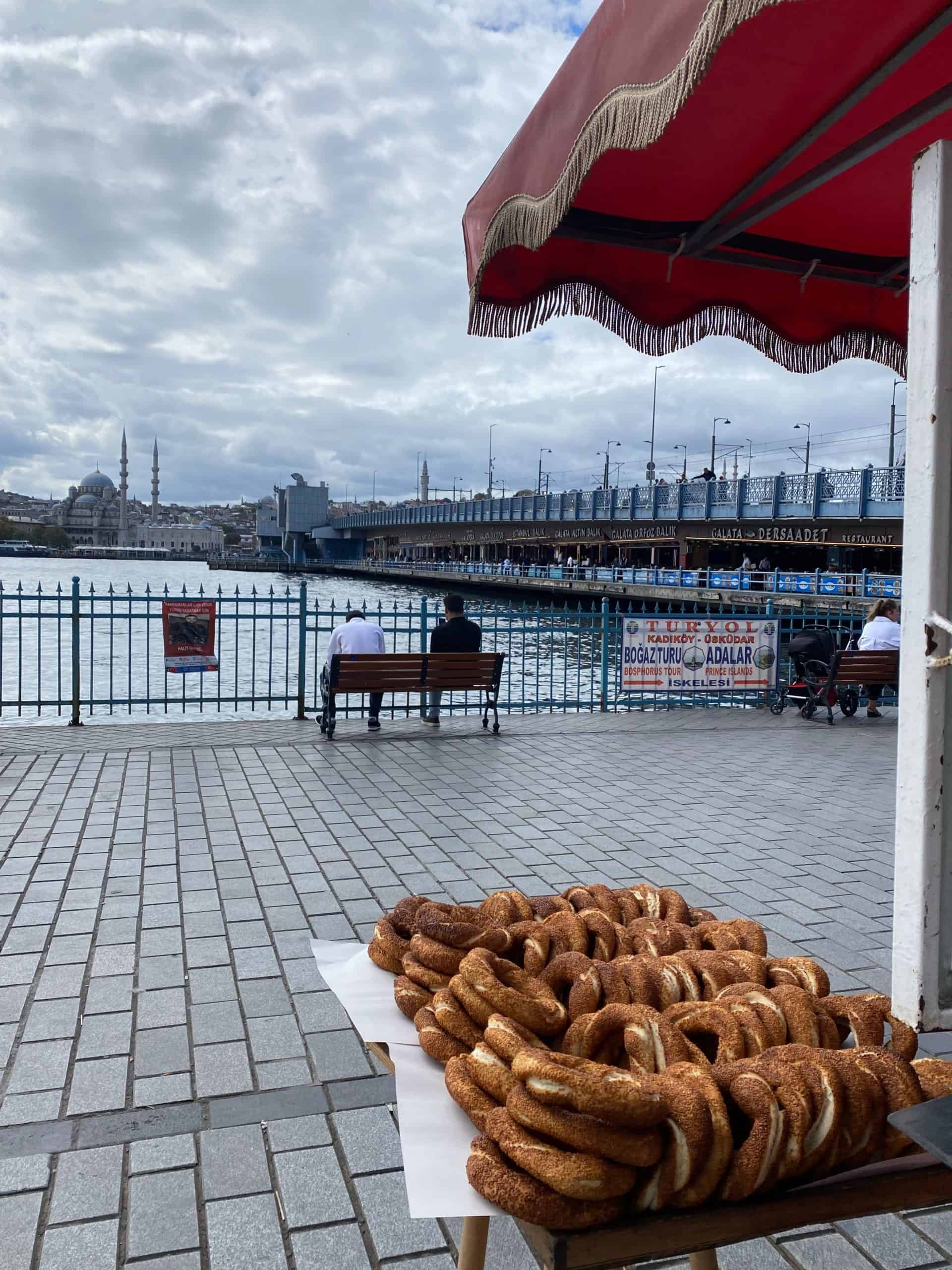
In winter, salep, a warm, milky beverage made from orchid flour fills the menus of cafes across the city, and by the colder months, street vendors sell it on little stands throughout Istanbul. It pairs beautifully with a simit on the ferry crossing from the European to the Asian side.
10. Turkish Hospitality
Turkish people are usually incredibly helpful, and Istanbulites particularly like to share their culture with visitors because they are overall proud of their city and history.
Istanbul has welcomed visitors from East and West for centuries, since the days of the Silk Road. It is a city well-equipped to receive travelers of all backgrounds. The warmth is part of the fabric of the place, and most visitors feel it within their first day.
Hospitality is ingrained in Turkish culture. During your visit, a phrase you will hear often is “hoş geldiniz,” which is used to welcome people in, whether it is a restaurant, shop, or even a home.
11. The Bazaars
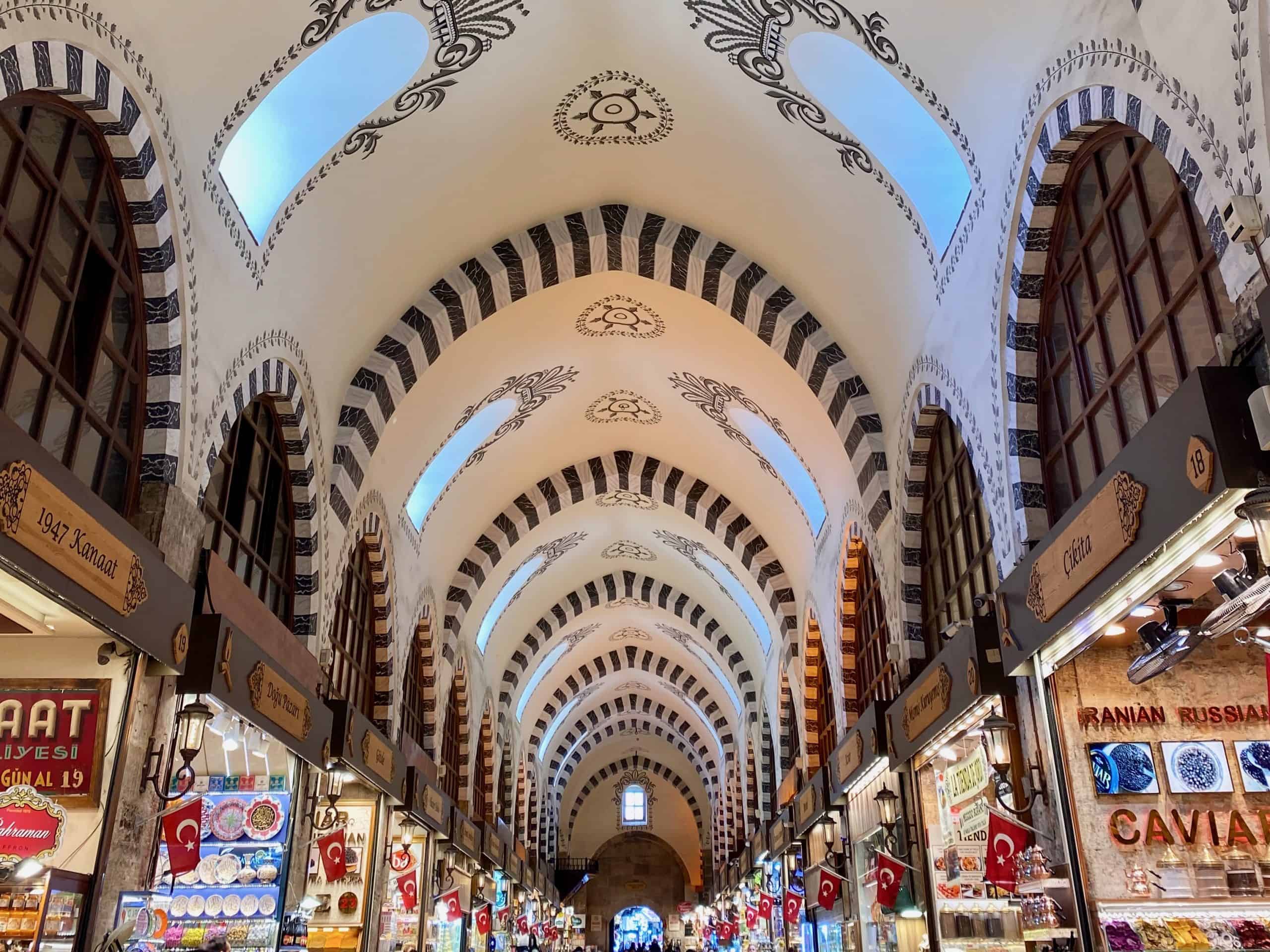
The Grand Bazaar was once the hub of trade on the Silk Road, bringing together items from different corners of the world. Today it still holds about 4,000 shops with an extensive offering of trinkets and luxuries. The experience of being inside it is unique, usually exciting, occasionally overwhelming, and always memorable. It is particularly renowned for jewelry, gold, and diamonds, which remain a favorite even among locals.
Traditional Turkish crafts worth looking for include kilim rugs, cotton towels, Iznik tiles and ceramics, miniature art, Turkish delight, coffee, and spices. A key tip is to carry cash. The prices provided will typically be inflated because most shops expect you to bargain. This is part of the experience, and cash gives you a significant advantage at the negotiating table.
The Spice Bazaar, located right on Eminönü Square, is a significantly smaller and more focused market, also known as the Egyptian Bazaar. While only a few shops now exclusively sell spices, it remains a sensory delight and an easy addition to any day spent in the historical peninsula.
12. Nobel Prize-Winning Literary Roots
Istanbul has been a muse for many writters both foreign and domestic. Both Elif Shafak and Orhan Pamuk, two of Turkey’s most well known modern novelists, have works that could be said to be love letters to the city.
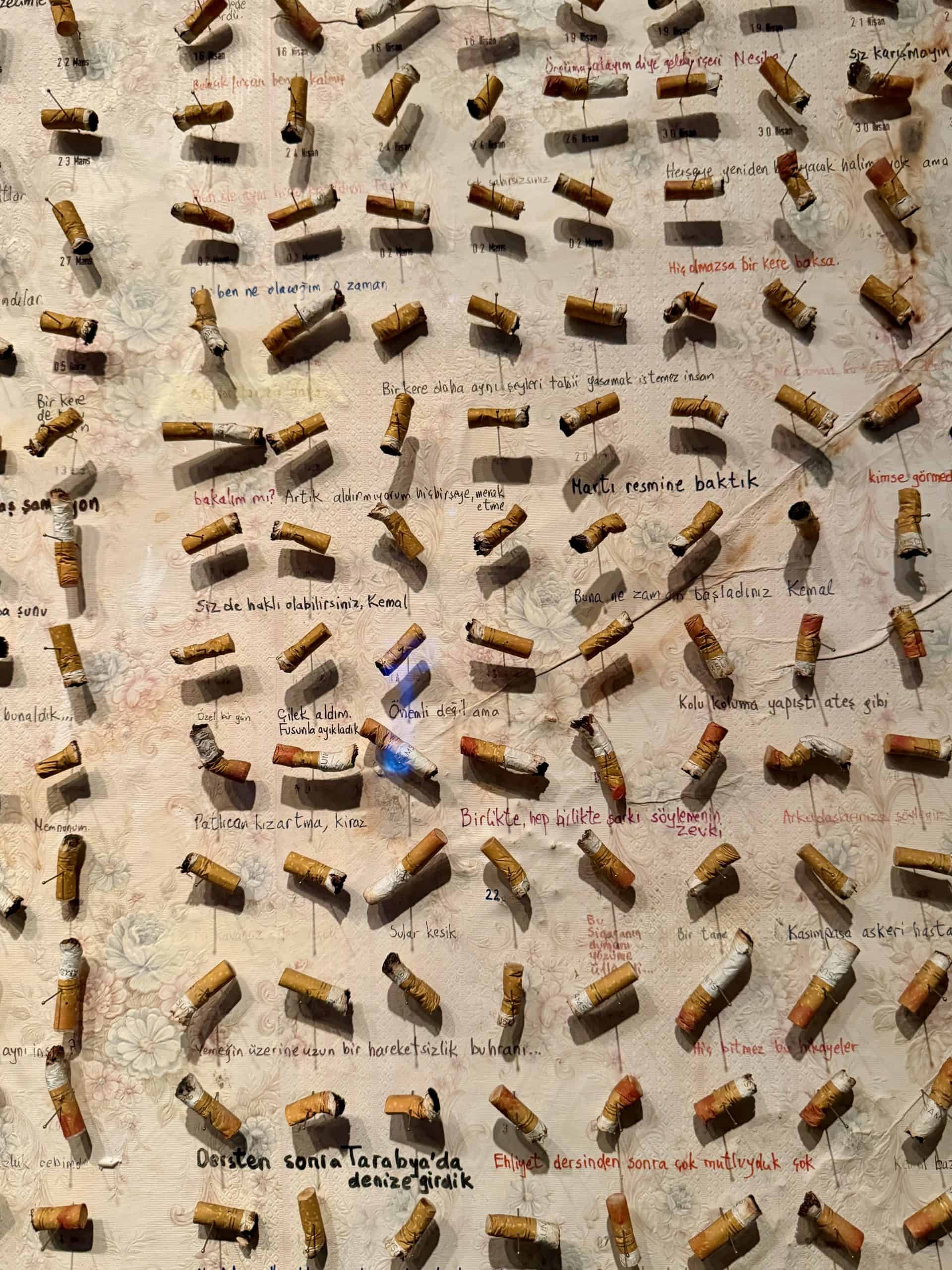
Çukurcuma is home to the Museum of Innocence, created after the novel of the same name by Nobel Prize-winning Turkish novelist Orhan Pamuk. The museum remembers an Istanbul of decades past and features many artifacts present in the Istanbulite life both from Turkish tradition and from external influence. The novel features a love story adorned by the streets, traditions and curiosities of a city as vast and wonderous as is Istanbul.
Elif Shafak describes Istanbul as a “she-city”, strong, resilient, impressive, stubborn, and beautiful. Many of her novels take place in Istanbul and her devotion to the city is evident throughout. The Bastard of Istanbul, is a great introduction to Turkish culture, history and even the food.
13. Unique Hotels With Stories to Match
In Istanbul, often even the hotels have stories, so where you stay in Istanbul can be an experience in itself.
The Pera Palace Hotel was originally constructed to host passengers of the famous Orient Express, including the writer Agatha Christie. The Georges Hotel in Galata was once home to the founder of the first modern psychiatric hospital in the Ottoman Empire later abandoned, and then restored in 2011 with the help of one of Turkey’s leading architects.
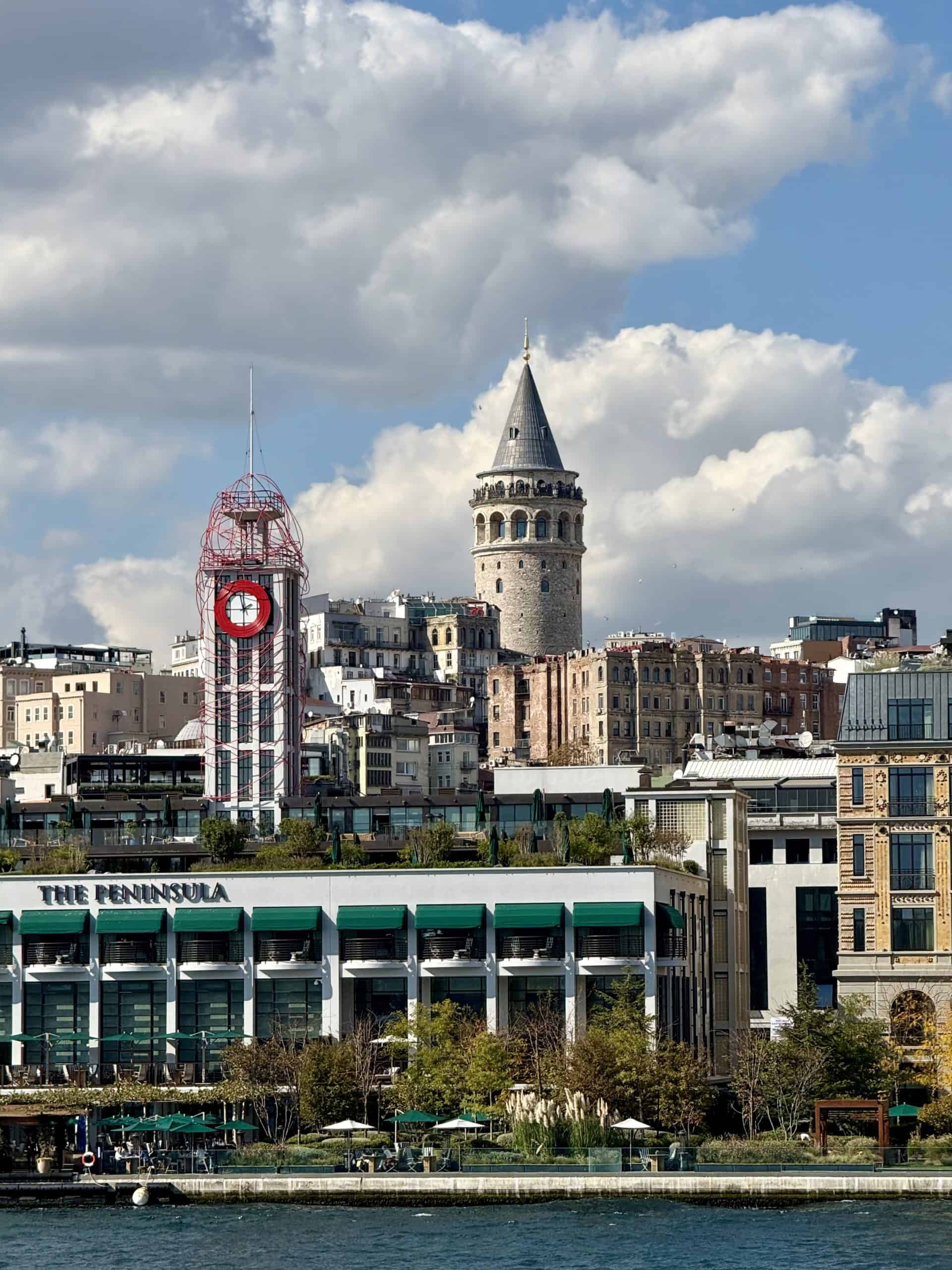
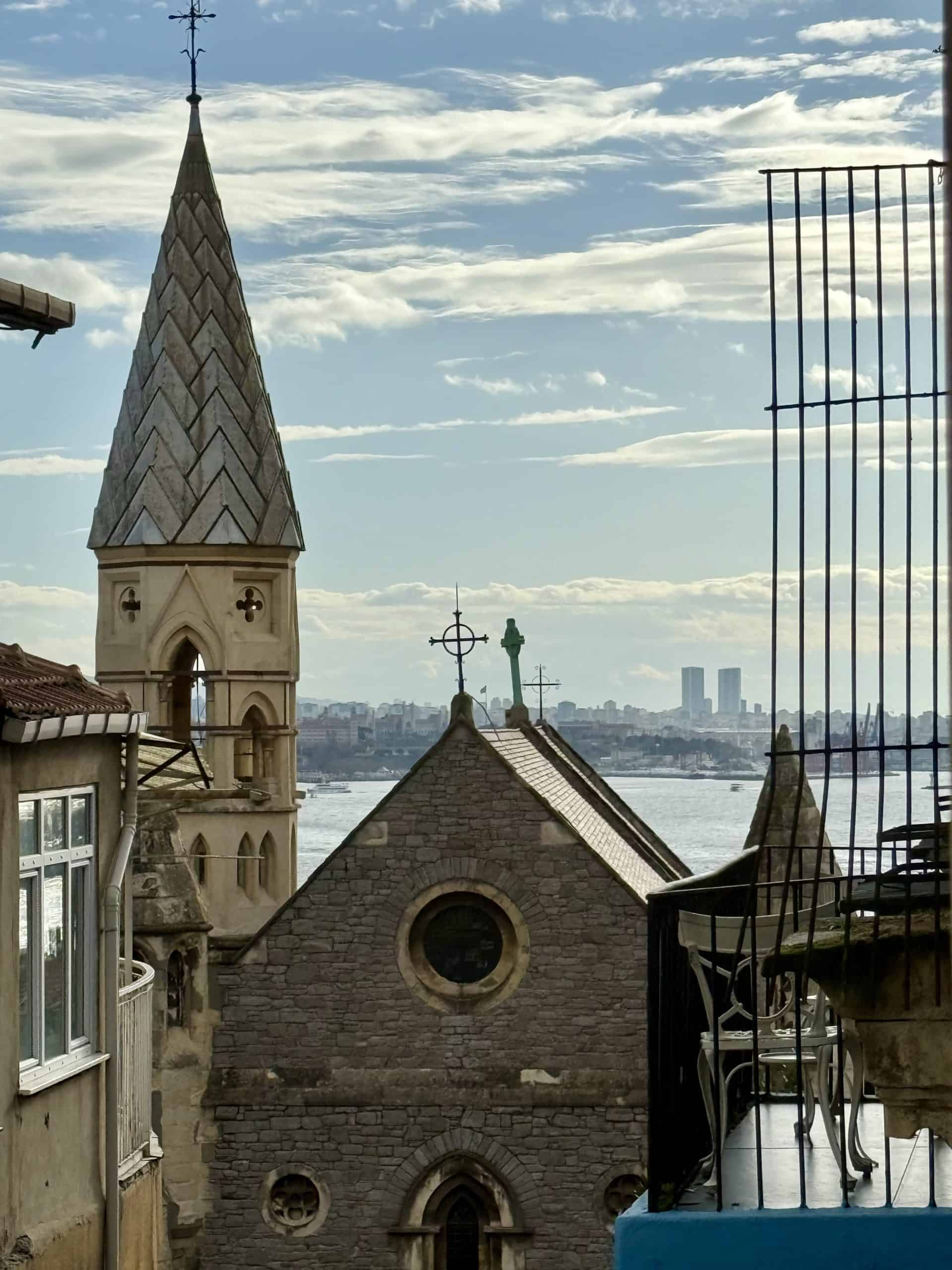
In Sultanahmet, the Hagia Sofia Mansions Istanbul is a collection of 17 restored Ottoman mansions from the 19th century, with a spa housed in a 500-year-old cistern beneath the property. Han 1772 Hotel has been standing since the year its name suggests.
On the Asian side, options include traditional waterfront yalı mansions in Üsküdar.
The boutique hotel scene in Istanbul is also exceptional since many properties carry as much history as the landmarks you will visit during the day. For a full guide to the best areas and hotels, see Where to Stay in Istanbul (2026): Best Areas, Boutique Hotels & Views.
14. Safer Than You Think
Yes, Istanbul is safe to visit. Whether you are a family, a group of friends, or a solo female traveler, it is safe. Turkish people are usually incredibly helpful, warm, and welcoming. Of course, like any large city, it is recommended to exercise normal precautions while exploring.
Public transportation is clean, reliable, and safe. The metro is very safe, and the ferry rides are not only safe but offer panoramic views, making them one of the best ways to experience the city.
There are a few neighborhoods that are more conservative and tend to be more desolate during the quiet hours of early morning and late evening, Üsküdar, Fener, and Balat among them, but these are perfectly safe to visit during active day hours.
For a complete guide, including neighborhood-by-neighborhood safety considerations for female travelers, see a full guide here..
15. Easier to Get Around Than You Think
Istanbul is a huge city and prone to heavy traffic, but public transportation is a clean, reliable, and safe option, and it ranges from modern metros and trams to scenic ferry rides.
One of the best activities during a visit is to ride the ferry from the European side to the Asian side. There are also historical trams similar to those found in Lisbon or San Francisco, offering rides down important areas like Istiklal Street and Kadıköy-Moda.
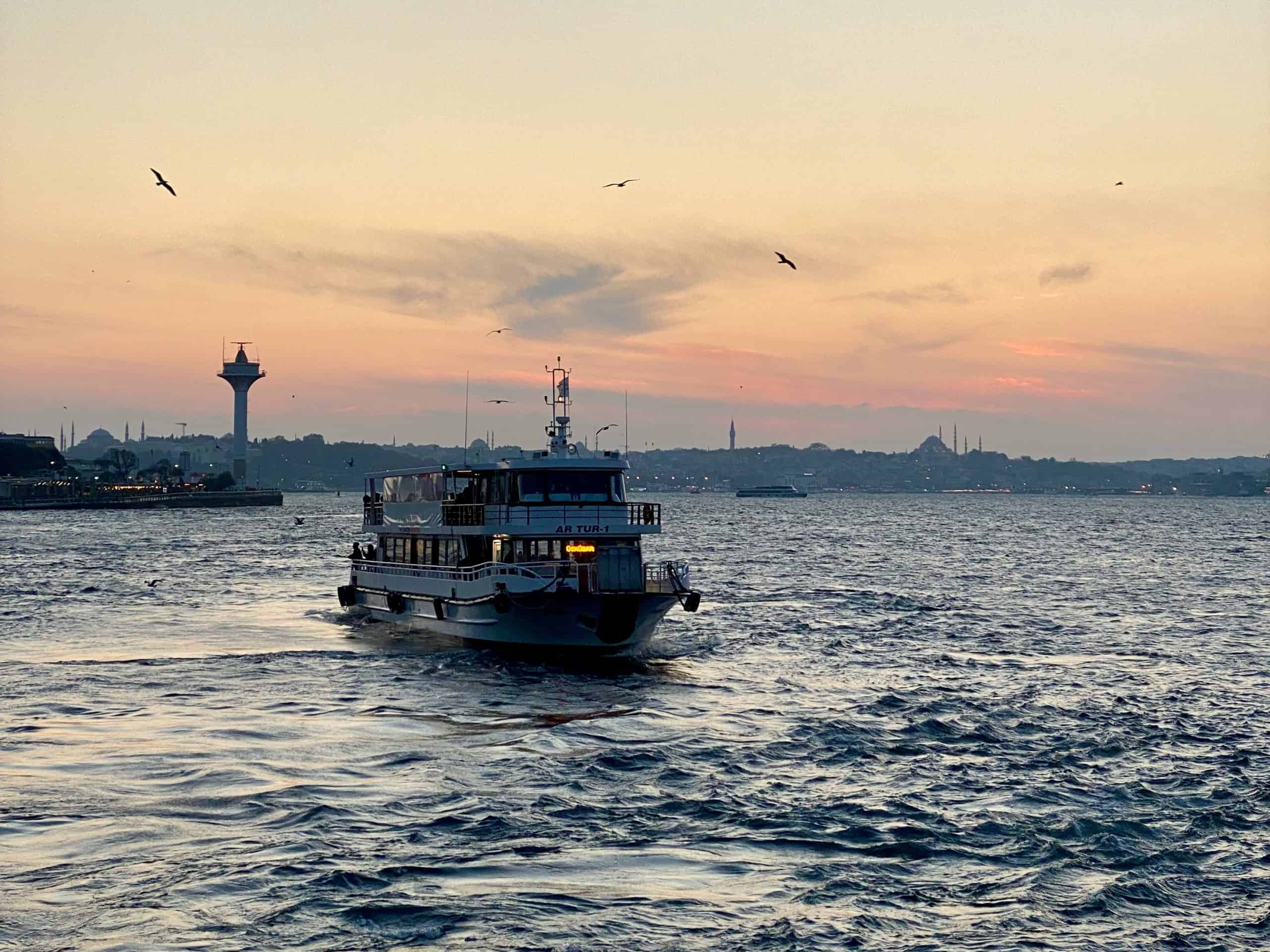
When using public transportation, an Istanbulkart is all you need, a contactless card that works across all public transportation services in the city, whether bus, tram, metro, or ferry. It can be bought and topped up at airports, metro stations, and ferry terminals throughout the city. For taxis and ride-sharing, BiTaksi and iTaksi are the recommended alternatives to Uber, which is generally not considered reliable in Istanbul.
For a full breakdown of transportation options, common taxi scams to avoid, and how to get in and out of the city from the airport, see the dedicated guide here.
Things to Know Before You Go
Istanbul is an extraordinarily welcoming city, but a little preparation is essential. Below are a few practical considerations to keep in mind before your visit.
Best Time to Visit Istanbul
The best times to visit Istanbul are April to June and September to November.
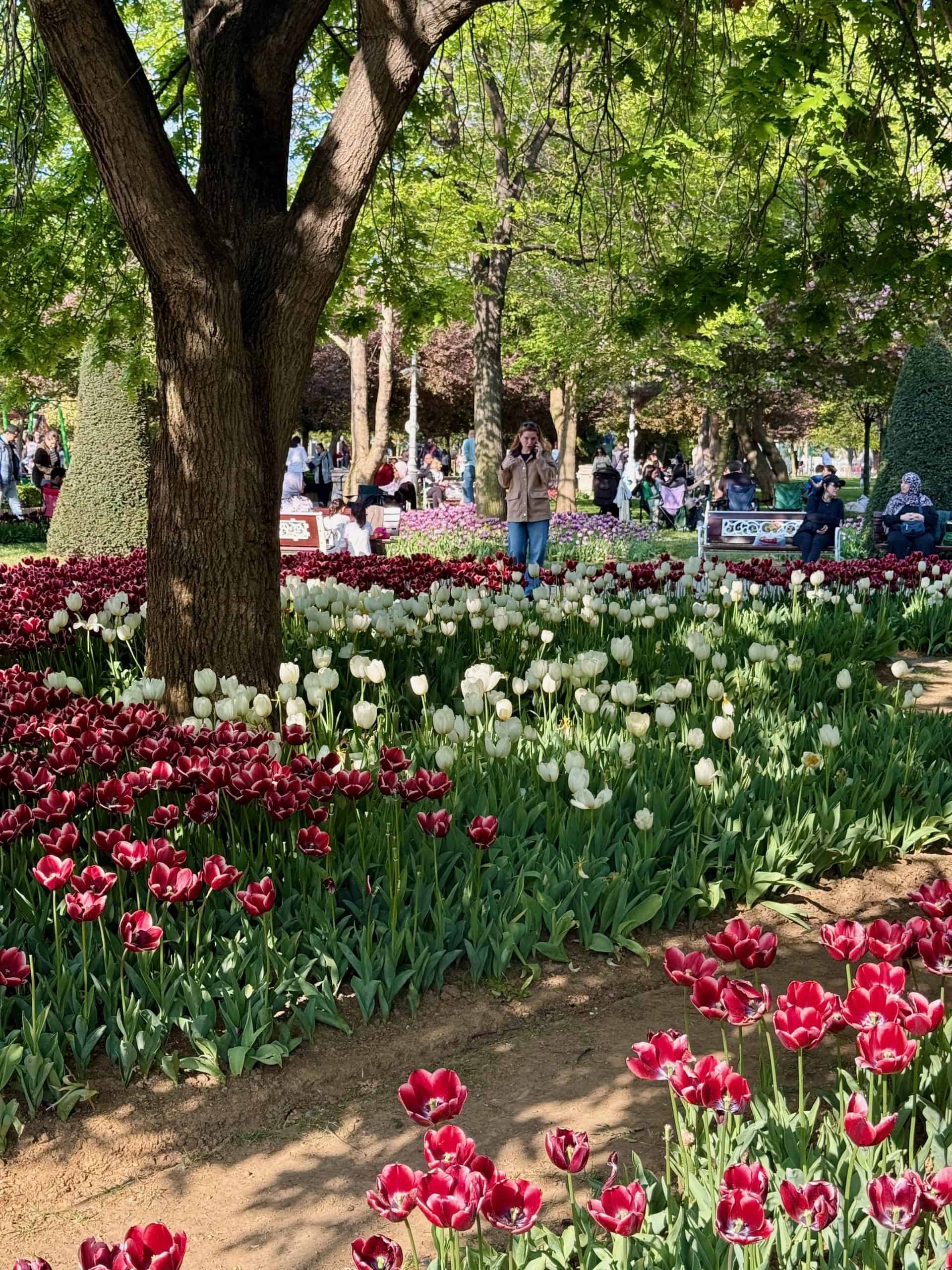
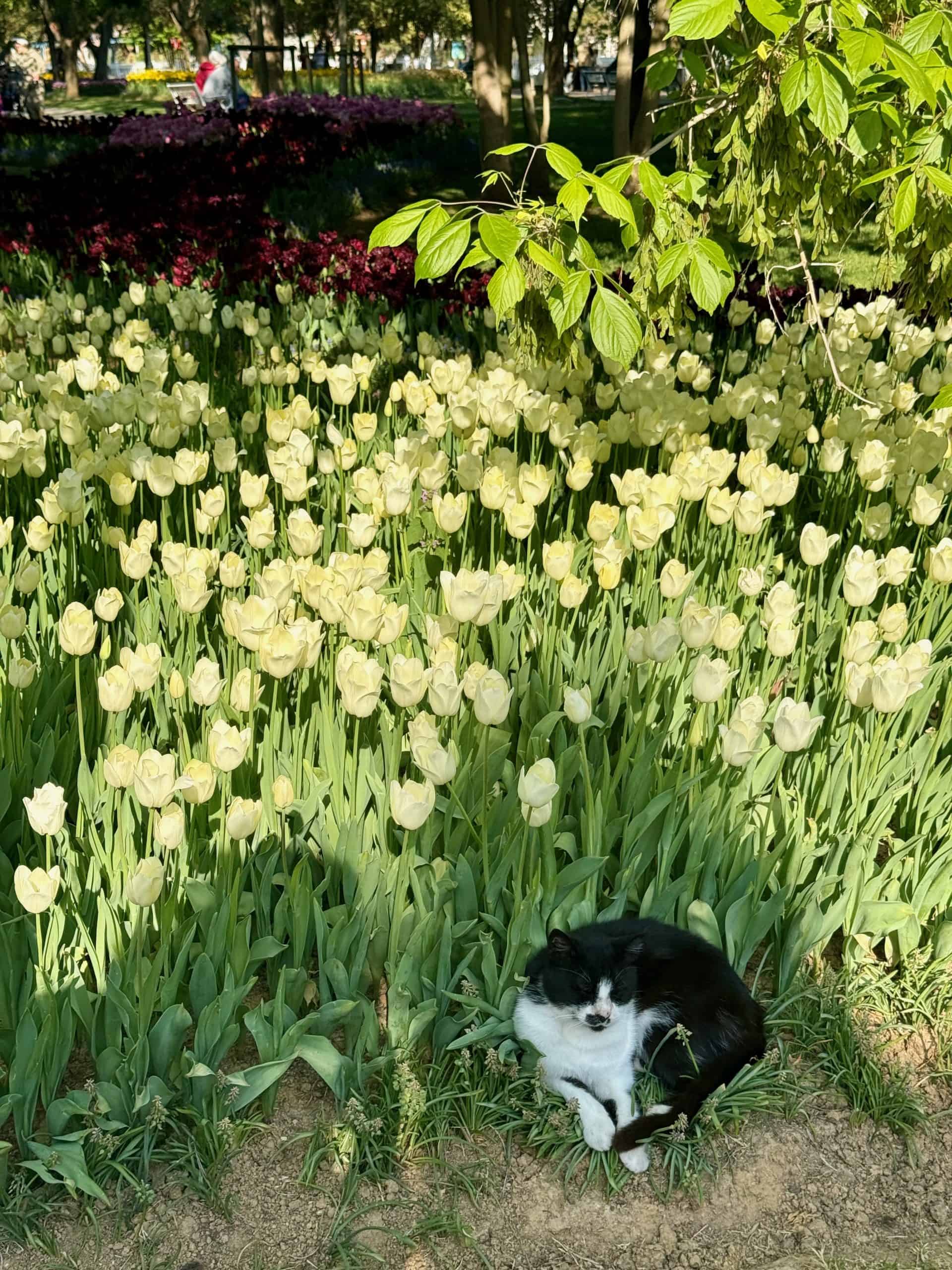
April welcomes spring with tulip blooms throughout the city, and November is the month with fewer tourists but a relatively pleasant climate. These seasons offer the best combination of good weather and manageable crowds for a more relaxed city experience.
The summer months, particularly July and August, draw more visitors and are also significantly hot, which can make touring less enjoyable. If you are visiting during the summer, plan your outdoor sightseeing for the early morning and make use of the ferries to catch a breeze off the water. During these months, it may also be worth considering a trip to Turkey’s Aegean Coast instead.
What to Pack for Your Visit
First and foremost, comfortable footwear is essential. Istanbul is known as the City of Seven Hills, and as the name suggests, you will encounter many hills during your visit. The Beyoğlu area, particularly, is hilly, so opt for comfortable shoes if you plan to explore Cihangir, Galata, and Istiklal Street.
I recommend carrying a light scarf or pashmina. If you plan to visit any of Istanbul’s grand mosques, you will need to cover your head, shoulders, and knees. The grand mosques usually provide appropriate garments, but having your own scarf is best in case you decide to visit less touristic mosques where extra garments are not available.
Modest dress is also recommended more broadly, particularly when visiting conservative neighborhoods like Fener, Balat, and Üsküdar.
Carry cash and small bills. Credit cards are widely accepted, but cash will serve you well at the bazaars, for street food, for tipping, and for small purchases throughout the city. Having small bills also gives you a significant advantage when bargaining.
Tipping in Istanbul
Tipping in Turkey is mostly optional, although it remains a welcome gesture of appreciation when service exceeds expectations. It is mostly done in cash as most establishments typically cannot process tips through credit card transactions.
At restaurants, the standard practice is to leave 10–15% depending on the service. Some more established restaurants may include a service charge, in which case no extra tip is needed.
When taking a taxi, it is mostly expected that the final sum will be rounded up.
I have written a comprehensive guide to tipping etiquette in restaurants, hotels, taxis, tour guides, and hamams.
Additional FAQs
How Many Days Do You Need in Istanbul?
It depends on what you want to see and experience. Istanbul is an immense city, so you could very well spend weeks touring it, but ideally, spending 3 to 7 days in the city gives you plenty of time to see the grand city.
Three days are enough to cover the highlights, the historical peninsula, the Beyoğlu area, the bazaars, and a trip to the Asian side. A few extra days simply give you more time to explore lesser-known neighborhoods and sites at a more relaxed pace.
I’ve written a detailed day-by-day itinerary covering the best of Istanbul in three days, including transportation tips and restaurant recommendations.
Is Istanbul Expensive to Visit?
It depends. Istanbul caters to both those seeking an affordable escape and those seeking a luxurious experience.
There is much of Istanbul to discover and enjoy on a budget. That said, when it comes to the museums, it can begin to add up. My recommendation would be to pick a couple of museum experiences and then enjoy the rest of Istanbul for free, like its quaint neighborhoods or seaside promenades.
There are also many good and affordable options when it comes to lodging, food and transportation.
Is Istanbul Safe for Women?
Yes, Istanbul is a safe and great city to visit as a solo female traveler. That said, there are a few considerations to keep in mind.
Certain neighborhoods are more conservative than others, and it is recommended to dress modestly and explore during active daytime hours in areas like Üsküdar, Fener, and Balat.
On the European side, Galata, Karaköy, Cihangir, Çukurcuma, and Nişantaşı are all excellent options for solo female travelers. On the Asian side, Kadıköy and Moda are the best. For a complete neighborhood-by-neighborhood guide, see Is Istanbul Safe for Women? A Complete Safety Guide for Female Travelers.
Is It Worth Visiting Istanbul in Winter?
November is the month with fewer tourists but a relatively pleasant climate, making it a great time for a quieter yet equally pleasant experience.
In winter, the city takes on a different character. Salep vendors appear on street corners, selling the warm orchid-flour drink, and the grand mosques and bazaars feel more contemplative without the summer crowds.
The main considerations for a winter visit are the colder temperatures and shorter daylight hours, which limit the time available for outdoor sightseeing. That said, Istanbul’s indoor attractions like the Hagia Sophia, Topkapı Palace, the Basilica Cistern, Dolmabahçe Palace, and the bazaars are just as enjoyable in winter, and you will likely experience them without queuing.
Final Thoughts
“Is Istanbul worth visiting?” is a question I have gotten many times, and the 15 reasons above are the ones that immediately come to mind, but I could easily come up with more. Istanbul is a megapolis, so it naturally offers a plethora of attractions for travelers. But beyond that, Istanbul is also special at first sight with the waters of the Bosphorus, its seven hills with grand mosques, and the spectacular bridges connecting East and West.
Part of Istanbul’s charm lies in the moments spent wandering and being curious. You might visit colorful Balat with its winding streets or watch the Bosphorus from the garden of Suleymaniye Mosque, and perhaps end the day with an evening out at a meyhane in Kadıköy as the music starts.
Istanbul will find a way to captivate you. It will do it in as little as a weekend, or if you give it more time, it will slowly unveil all of its layers, and what you see will remain long after your visit ends.